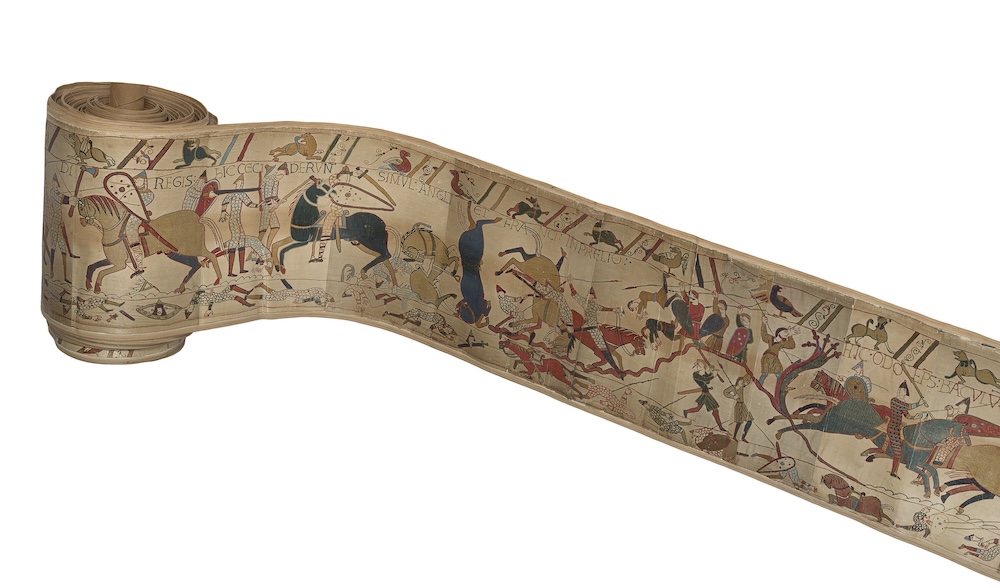
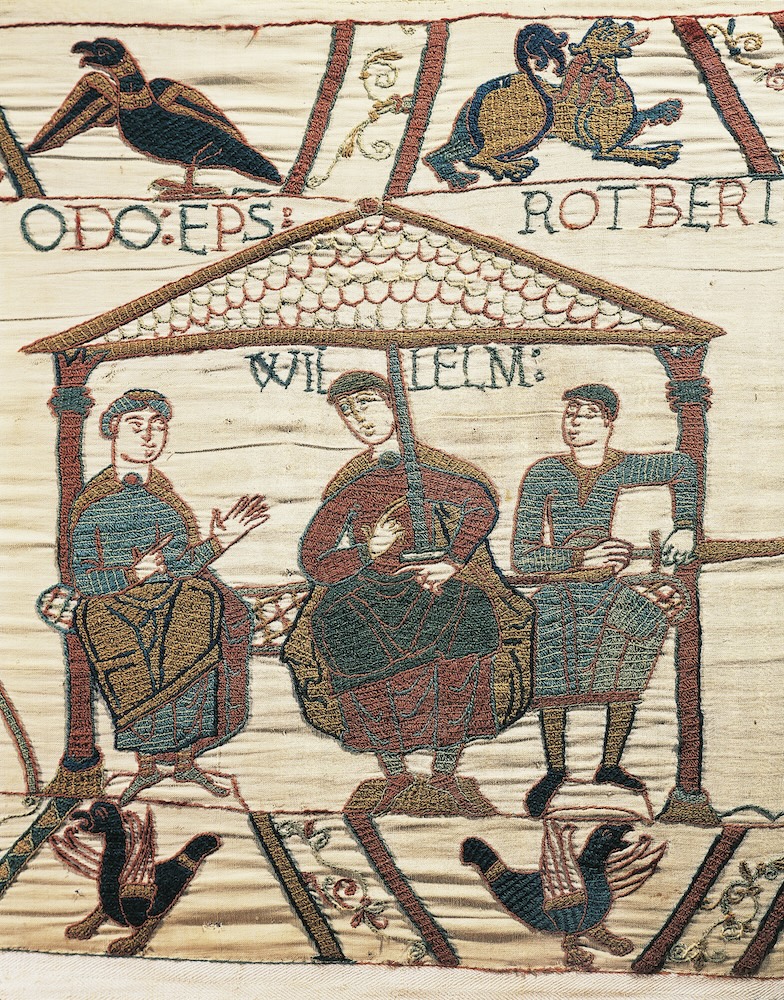
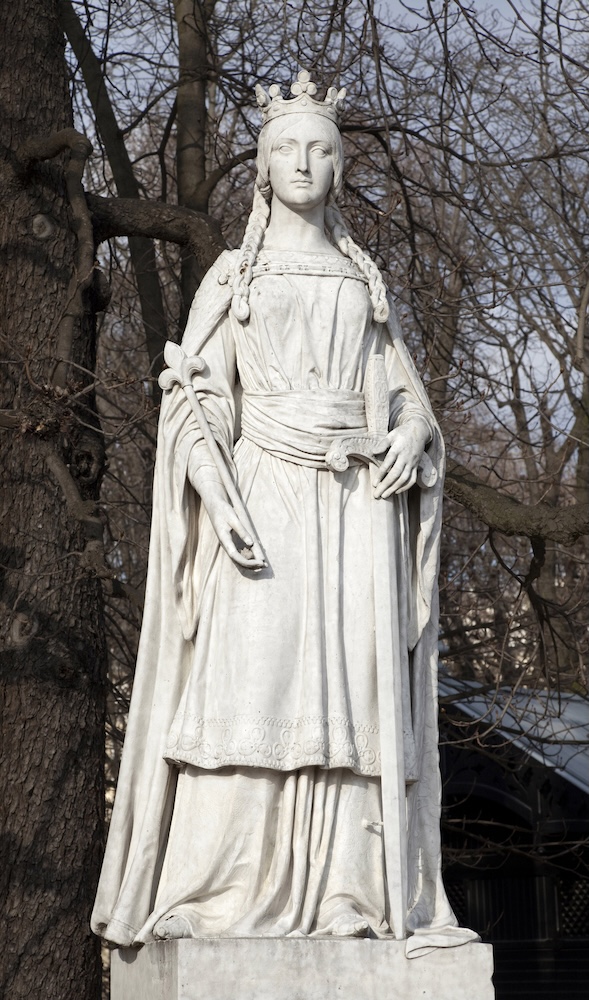
For the first time in nearly a millennium, the Bayeux Tapestry is leaving Normandy. From 10 September 2026 to 11 July 2027, this extraordinary embroidery – almost 70 metres of wool stitched onto linen, recounting the Norman Conquest of England in 1066 – will be on view at the British Museum in London. Scala, official agent of the British Museum, RMN and the national French museums, and of many of the world’s foremost museum collections, is delighted to accompany this exciting and exceptional loan with a rich selection of images dedicated to the Tapestry, to Normandy, and to the protagonists of one of the most pivotal years in European history.
Few objects in world history capture a single event as vividly, or as stubbornly, as the Bayeux Tapestry. Fifty scenes, fifty-seven terse Latin inscriptions, seventy meters of narrative stitched by hands whose names we will never know: this is medieval storytelling at its most immediate. Nearly a thousand years and it is still the closest thing we have to a contemporary account of the Hastings battle that redrew the map of England.
The embroidery unfolds like a medieval newsreel. Its story unfolds across roughly 50 scenes.
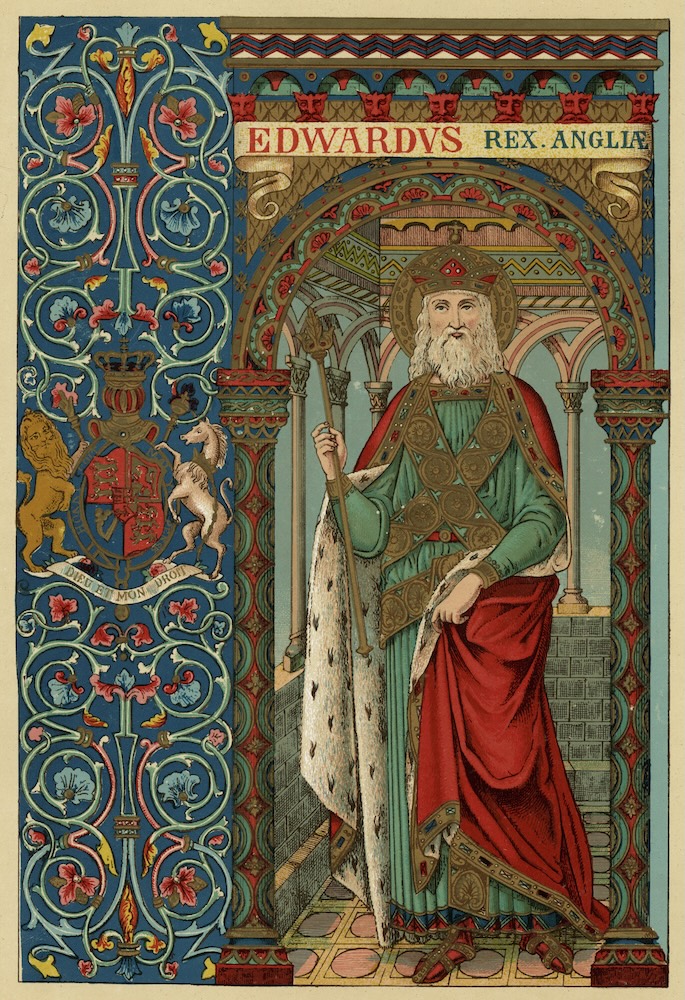
It opens with the death of King Edward the Confessor and the disputed succession to the English throne, follows Harold Godwinson on his fateful journey to Normandy and his oath of loyalty to Duke William, and then lingers on Harold’s coronation as king — an act the Tapestry frames as a betrayal.
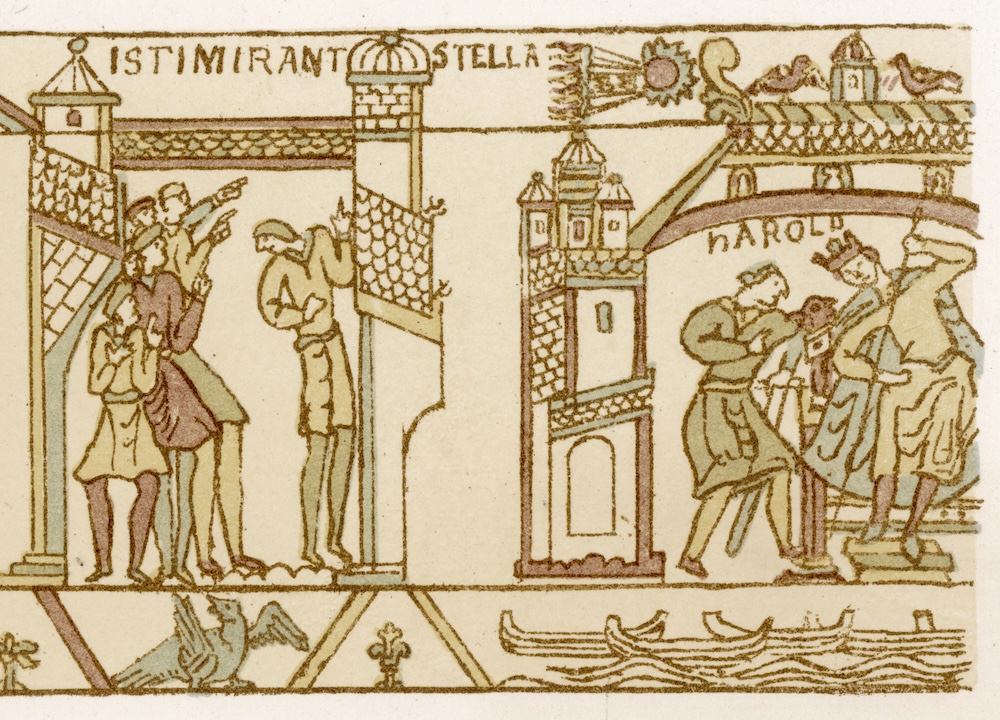
Halley’s Comet blazes overhead as an omen of disaster. William’s fleet is built, provisioned, and launched.
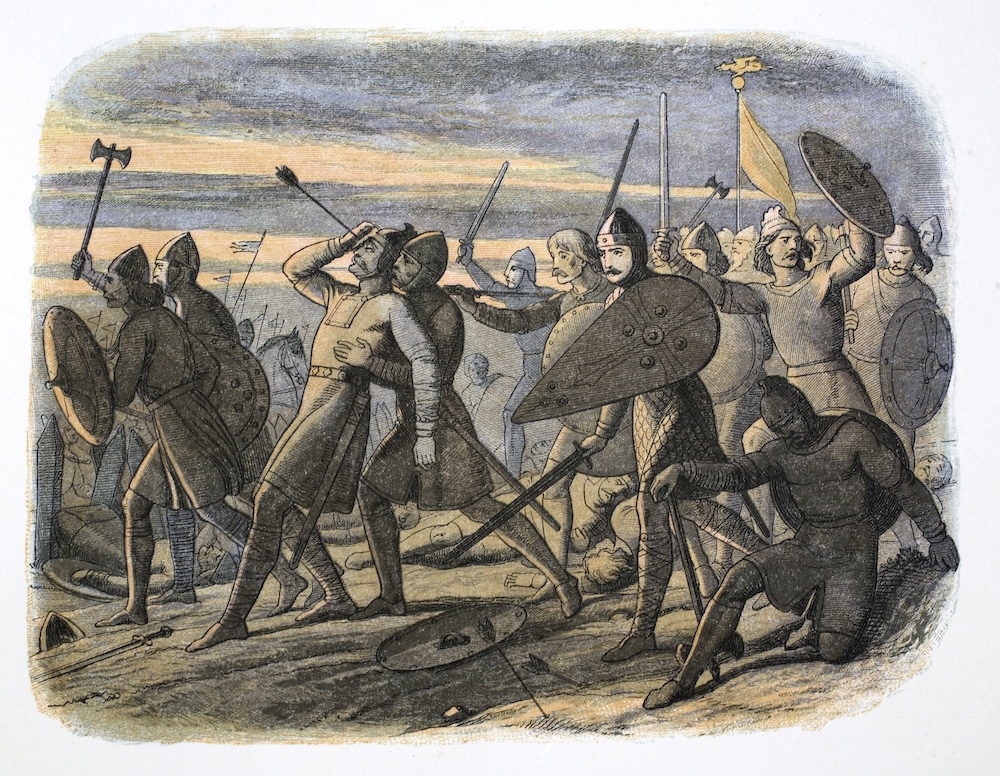
And at Hastings, the story reaches its brutal conclusion with Harold’s death.
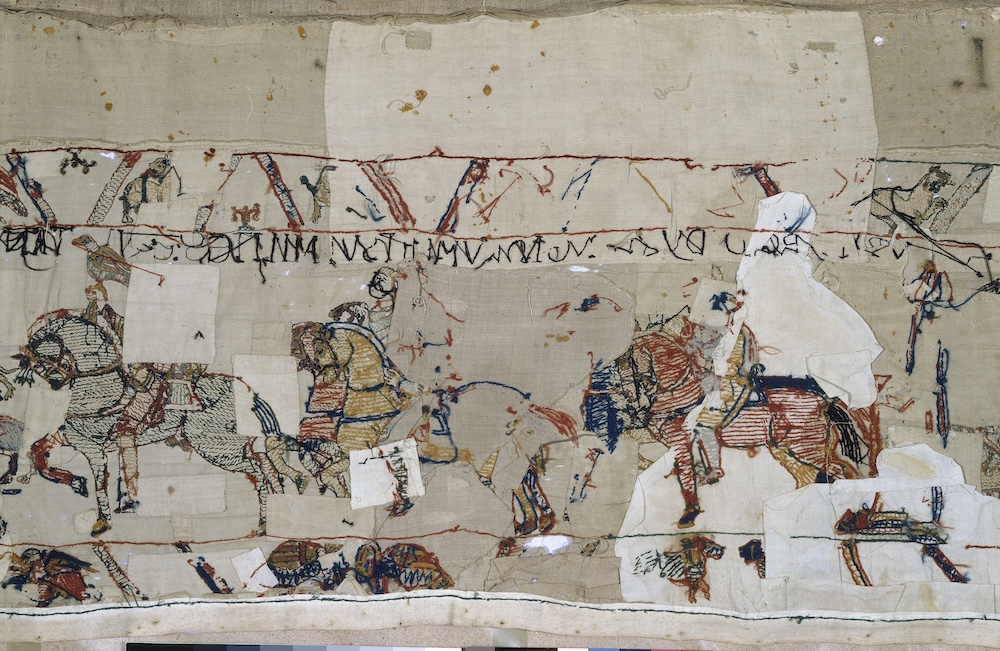
Around this central narrative runs a border which seems to come alive with animals, fables borrowed from Aesop, mythical creatures, and, in places, unflinching depictions of the dead and wounded left in the wake of battle.
Strictly speaking, the Bayeux Tapestry is not a tapestry at all.
Despite its famous name, the Bayeux Tapestry isn’t actually a tapestry at all. It’s an embroidery.
True tapestries are woven, with the design created directly during the weaving process as colored weft threads are interlaced with the warp. The Bayeux Tapestry, by contrast, is embroidered: nine linen panels stitched together into a 70-meter band, with wool thread sewn onto the already-finished fabric using techniques like stem stitch and laid work (couching). The misnomer stuck for historical reasons – in French, “tapisserie” was long used loosely to describe any decorative wall-hanging fabric, regardless of technique – and by the time art historians drew a sharper technical distinction, the name was already woven into cultural memory.
Who actually made it remains a matter of scholarly argument, though most historians now agree that Bishop Odo of Bayeux — William the Conqueror’s half-brother — commissioned the work, most likely to commemorate the conquest and cement Norman authority over a newly subject England.
The Tapestry’s design, in other words, was almost certainly drawn up in Kent, and stitched by English embroiderers whose needlework was famous across the Continent.
The tenacious French legend crediting Queen Matilda, William’s wife — the Tapestry is still occasionally called the “Tapisserie de la Reine Mathilde” — does not hold up to scrutiny, but it has proven nearly as durable as the embroidery itself.
Nearly a thousand years after the last stitch was set, the Bayeux Tapestry remains one of the richest surviving windows onto medieval warfare, politics, and craft. It is not simply a record of a battle — it is a masterclass in visual storytelling and propaganda whose techniques still shape how the Conquest is understood today. Whether you come to it as a historian, an art lover, or simply someone curious about one of the Middle Ages’ most iconic objects, the Tapestry tells a story every bit as gripping now as it must have been in 1066 — and, for the first time in generations outside France, London is where to see it.
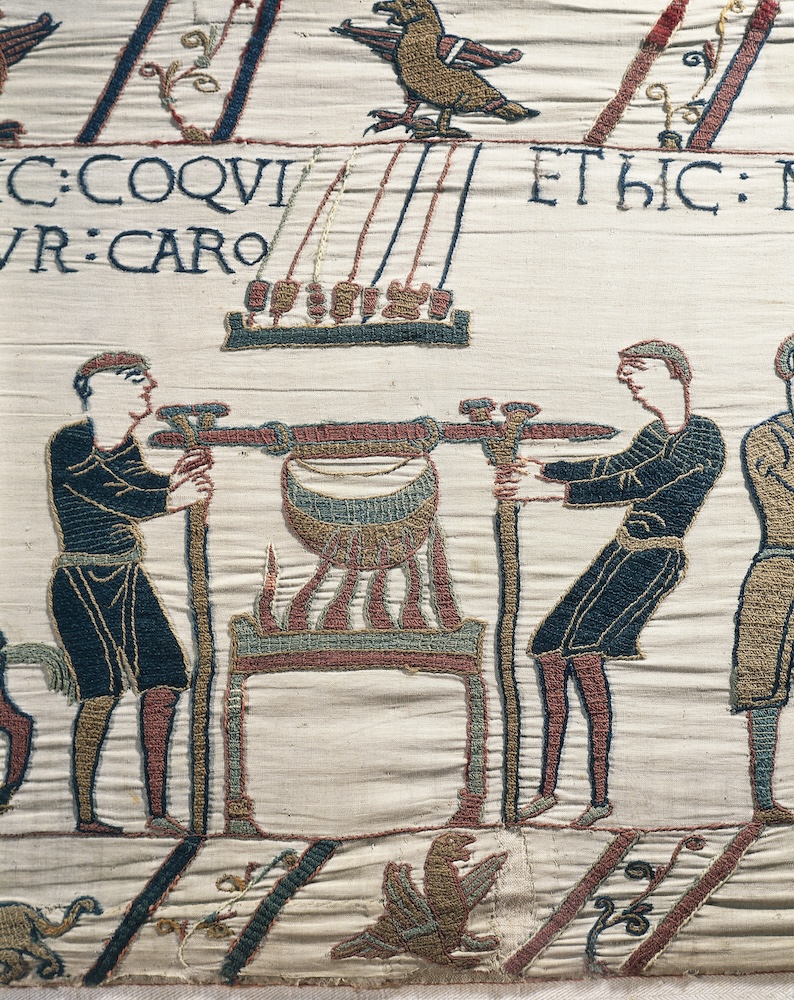
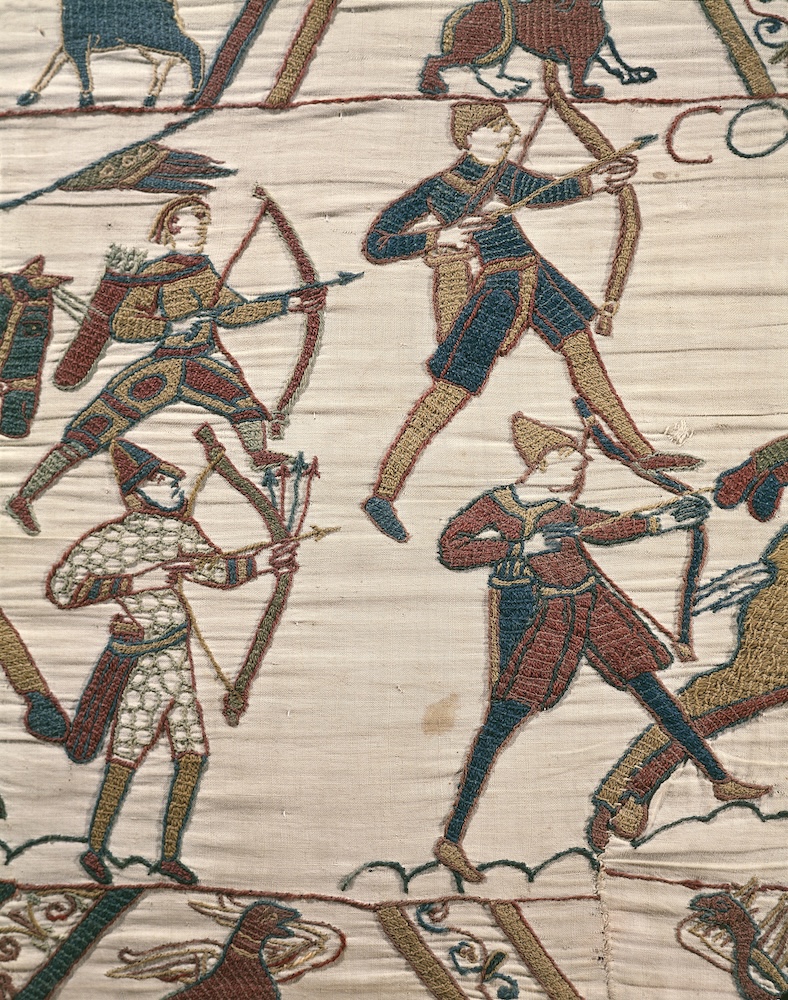
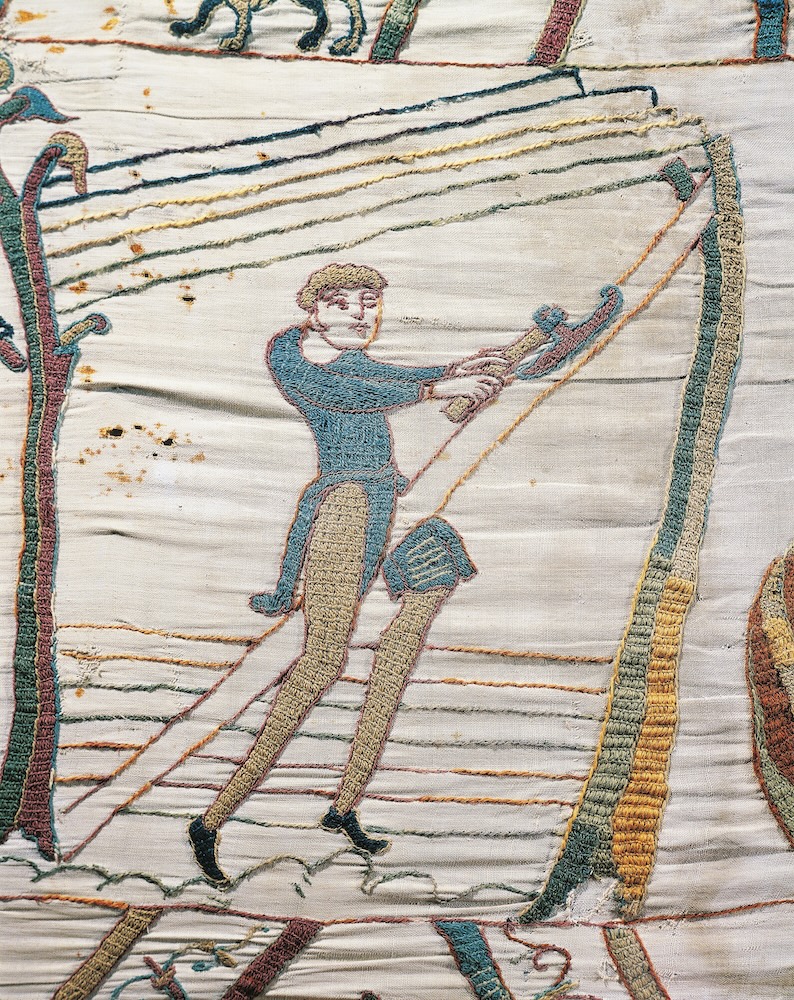
That the Tapestry survives at all is its own small miracle. It came close to destruction during the French Revolution, reportedly nearly requisitioned to cover military wagons. During the Second World War it drew the attention of German scholars intrigued by its supposed connections to Aryan and Anglo-Saxon mythology, and was moved more than once for safekeeping before finally returning home to Bayeux once the war ended.
The Tapestry’s home is the Bayeux Museum in Normandy, half an hour from the D-Day beaches, where it is normally displayed at full length with an audio guide walking visitors scene by scene through the story. This year, exceptionally, it travels: from 10 September 2026 to 11 July 2027, London’s British Museum will host the Tapestry for what is likely to be the exhibition event of the decade for medieval history.
Scala, official agent of the British Museum and of numerous other institutions across Europe holding material related to 1066 — from Norman architecture to Anglo-Saxon artefacts — is pleased to make available a broad range of images connected to the Tapestry, to the Conquest, and to the wider world in which it was made, for editorial and commercial licensing.
If you would like to further explore the Tapestry itself, the Norman Conquest, or the British Museum collections – ask for a personalised image search.
***
In the cover: “Bayeux Tapestry,” Panel 29B: Harold swearing an oath to William, then preparing to return to England by ship – RM08241