The British Museum stands as one of the world’s oldest and most comprehensive museums of human history, art, and culture, housing around eight million objects that span two million years of civilization. Located on Great Russell Street in London’s Bloomsbury district, the museum offers free admission to one of the most extraordinary collections ever assembled under one roof.
A Brief History of the British Museum
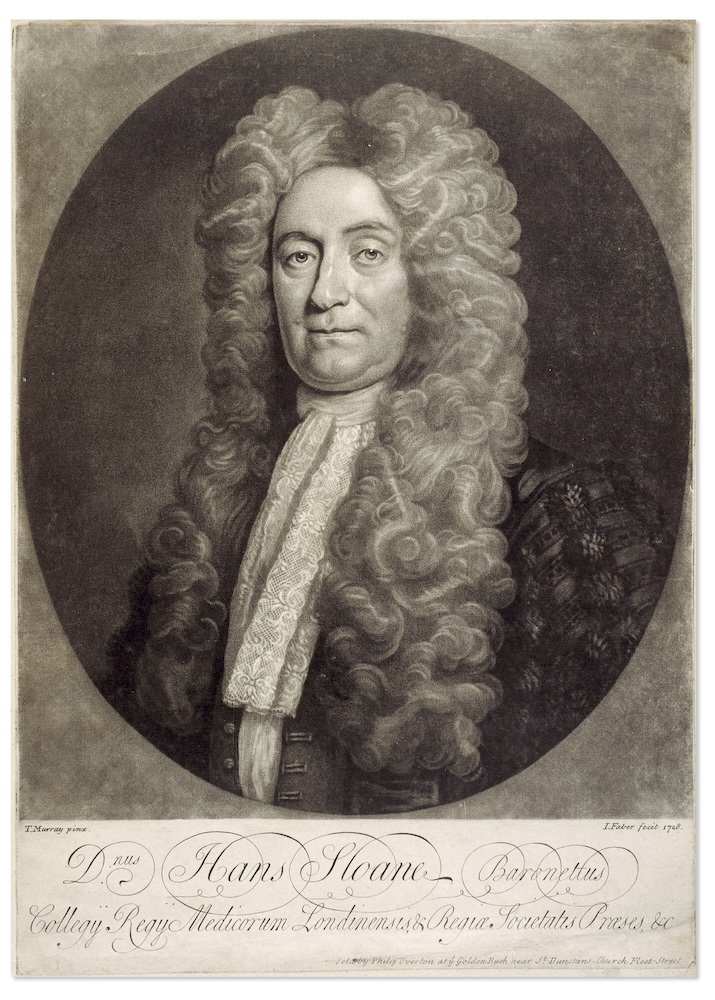
The museum’s origins trace back to 1753, when Parliament accepted the bequest of Sir Hans Sloane, a physician and President of the Royal Society who had spent decades amassing more than 71,000 “natural and artificial rarities,” alongside an extensive library of books, manuscripts, coins, and medals. In exchange for a payment of £20,000 to Sloane’s heirs, his entire collection passed to the nation, and on June 7th 1753 an Act of Parliament formally established the British Museum—the world’s first national public museum.
Sloane’s founding collection was soon joined by two further libraries: the Cottonian Library, assembled by Sir Robert Bruce Cotton in the Elizabethan era, and the Harleian Library, gathered by the Earls of Oxford. The Royal Library, housed until then at the Palace of Westminster, was added in 1757. Together these four “foundation collections” formed the core of what would become the museum, and included treasures now held by the British Library, such as the Lindisfarne Gospels and the sole surviving manuscript of Beowulf.
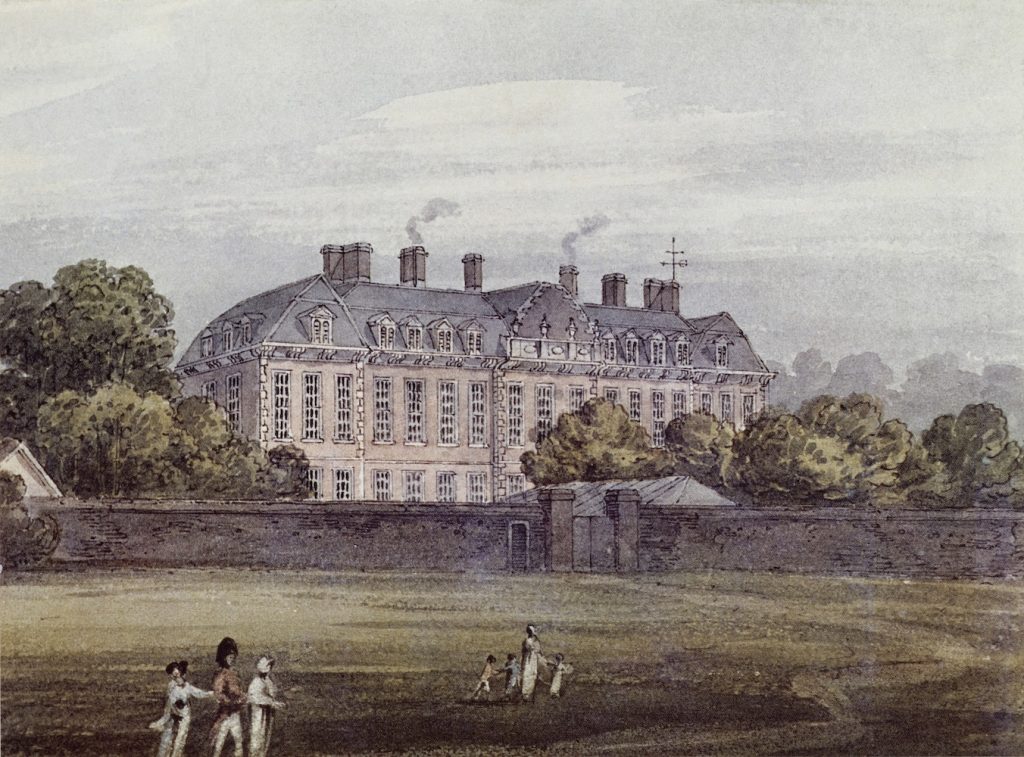
The museum opened its doors to the public on January 15th 1759, admitting “all studious and curious persons” free of charge, at first it was housed in the 17th-century Montagu House, the building was demolished in 1840 and on its plot rose the museum’s building of today. Growing steadily through the eighteenth and nineteenth centuries, its holdings expanded well beyond Sloane’s original scope: Sir William Hamilton’s Greek and Roman antiquities arrived in 1772, the Townley collection of classical sculpture in 1805, and, most famously, the Parthenon Sculptures in 1816.del Partenone nel 1816.
A Museum Shaped by the Age of Empire
As Britain’s imperial reach expanded across the eighteenth and nineteenth centuries, the museum’s collections grew alongside it. Objects arrived through excavation, purchase, and bequest, but also, in many documented cases, through the pressures of colonial rule and conflict. oday the museum today actively researches and shares the histories of how individual objects became part of Bloomsbury’s collection, and acknowledges that sometimes that original acquisition process is contested.
A Building Fit for a Universal Museum
The museum’s present neoclassical building, designed by Sir Robert Smirke in the Greek Revival style, was constructed on the site of Montagu House between 1823 and 1852. Its most celebrated space, the circular Reading Room, was completed in 1857 beneath a soaring copper dome and served for nearly a century and a half as one of the world’s great centres of scholarship—used across the decades by researchers including Karl Marx and Virginia Woolf.
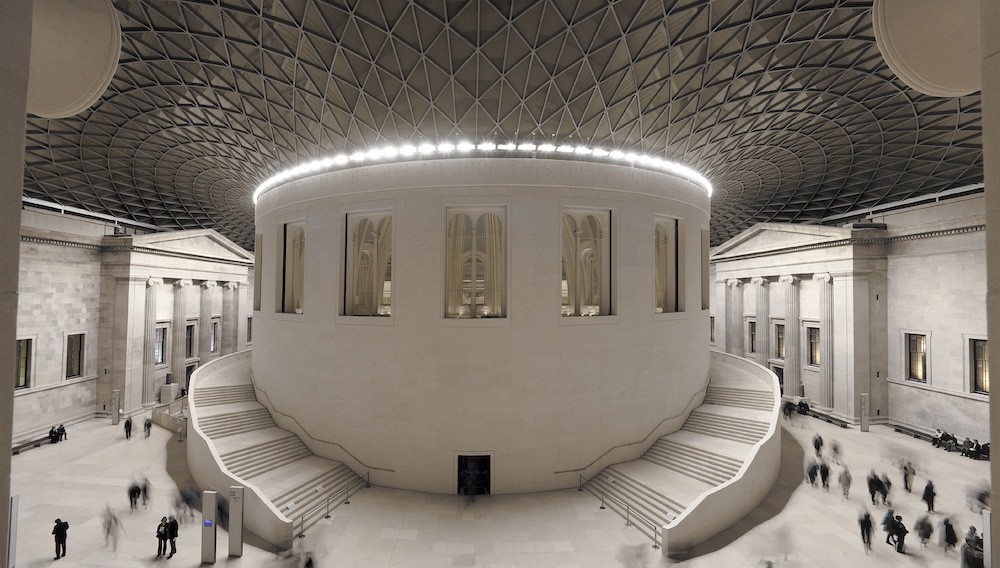
In the year 2000 a glass-and-steel roof was completed around the historic Reading Room effectively creating the largest covered public square in Europe.
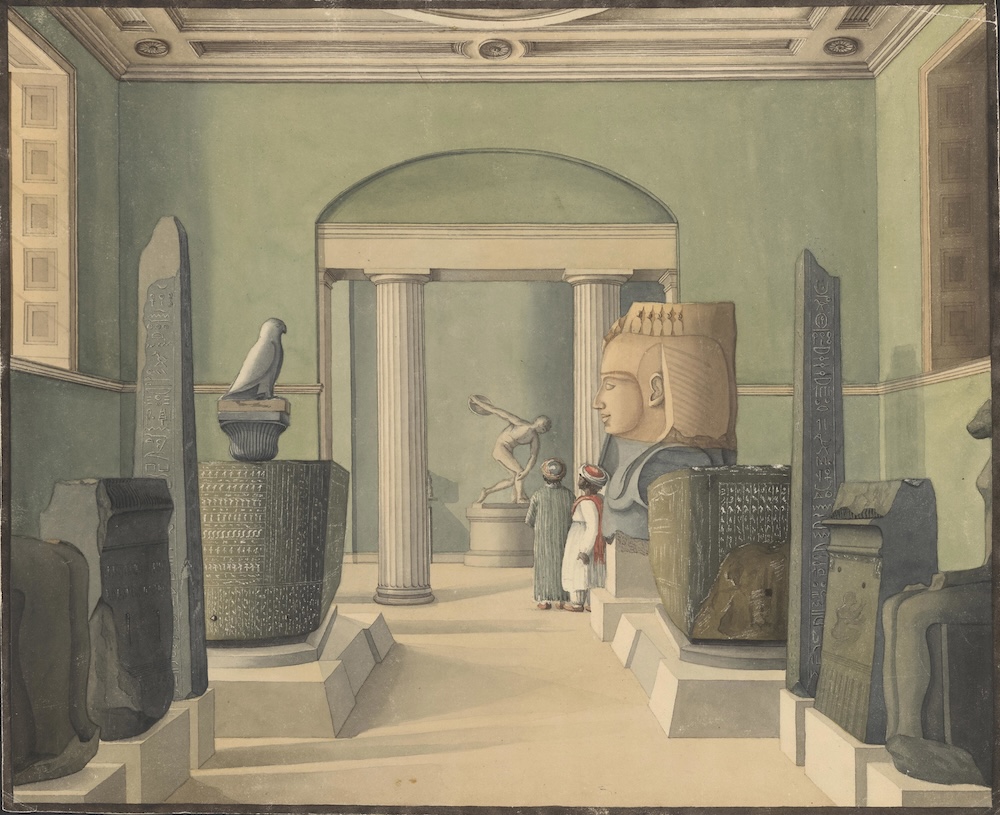
The museum’s history can also be traced through images of its architecture, from its original home at Montagu House to the Reading Room and the Great Court. Explore the selection dedicated to the British Museum’s buildings and spaces.
Acquisizioni e scoperte fondamentali
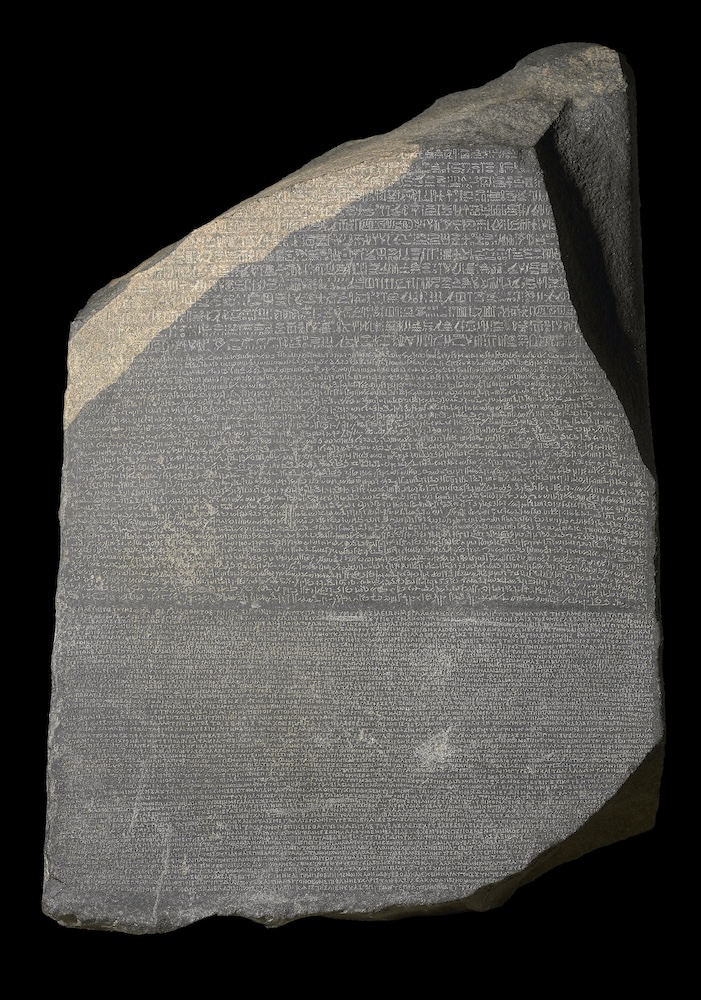
The Rosetta Stone — Seized by British forces following Napoleon’s defeat at the Battle of the Nile in 1801, the Rosetta Stone arrived at the museum in 1802 and became the key to deciphering Egyptian hieroglyphs.
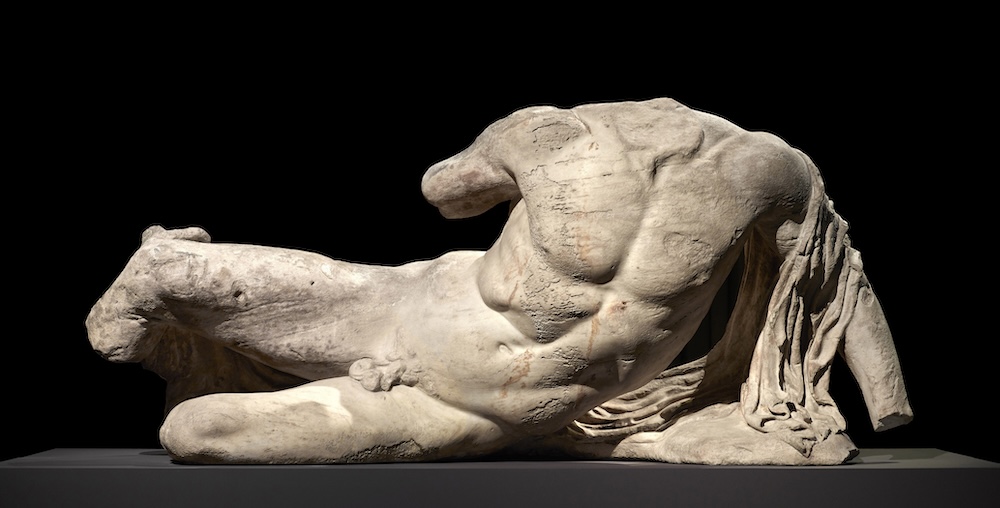
The Parthenon Sculptures — Removed from the Parthenon in Athens in the early nineteenth century and acquired by the museum in 1816, these sculptures remain among the museum’s most visited—and most debated—holdings.
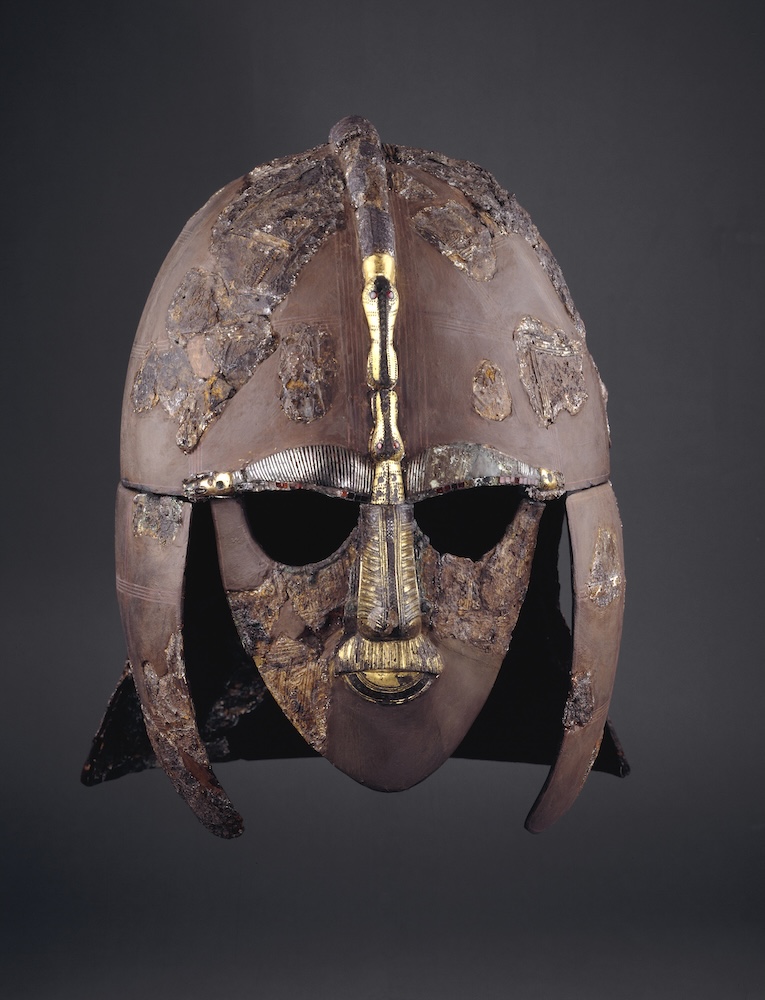
Sutton Hoo — The spectacular Anglo-Saxon ship burial, discovered in Suffolk in 1939, revealed a wealth of gold, garnet, and silver treasures that transformed understanding of early medieval England.
From the Rosetta Stone to the Parthenon Sculptures, the museum’s collections include works that have shaped the history of art and archaeology. Explore a selection of masterpieces from the British Museum.
Main Collections
The museum’s more than 60 free galleries showcase collections whose breadth remains virtually unmatched.
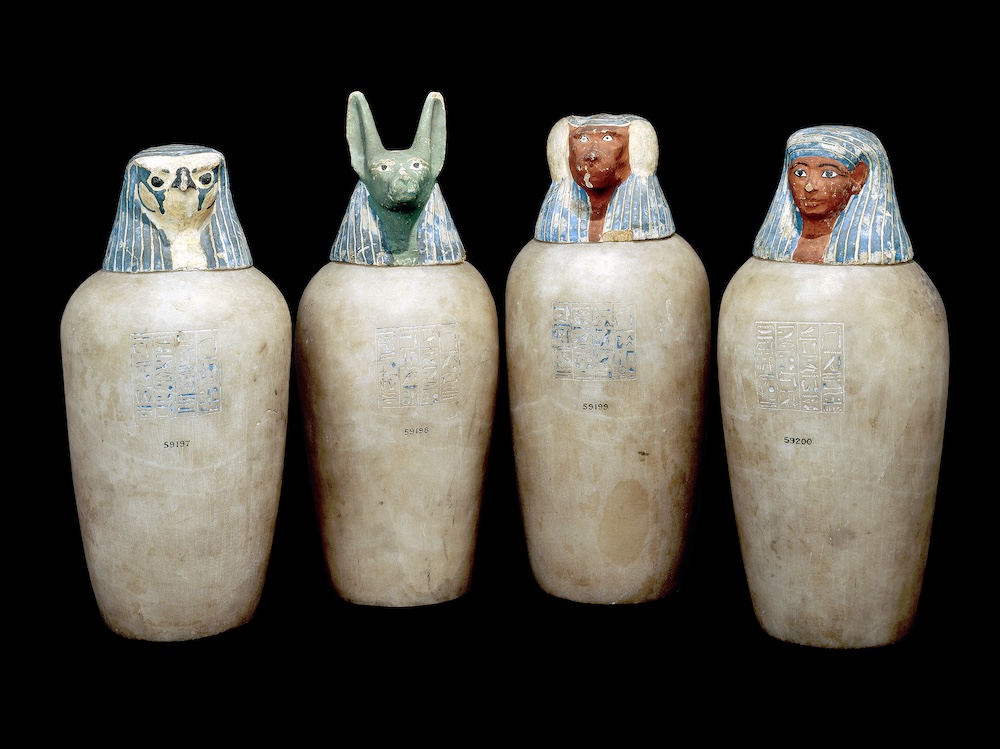
Egypt and Sudan – One of the largest collections of Egyptian antiquities outside Cairo, ranging from monumental sculpture to intimate funerary objects, anchored by the Rosetta Stone.
Greece and Rome – Extensive holdings of classical sculpture, ceramics, and everyday life, including the Parthenon Sculptures and material from the Mausoleum of Halicarnassus.
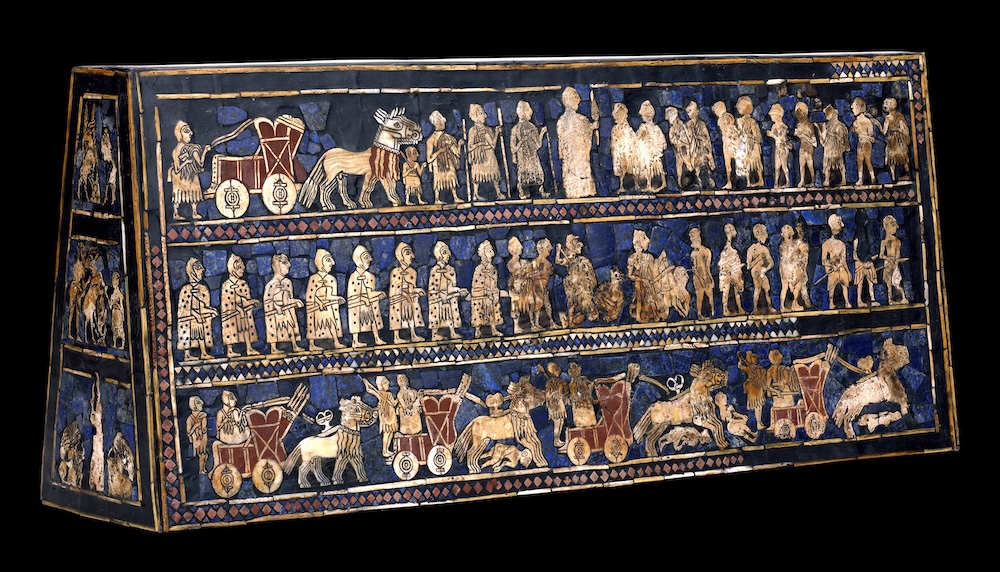
The Middle East — Renowned Assyrian reliefs and cuneiform tablets from Nimrud and Nineveh, alongside treasures from ancient Mesopotamia including material from the Royal Cemetery at Ur.
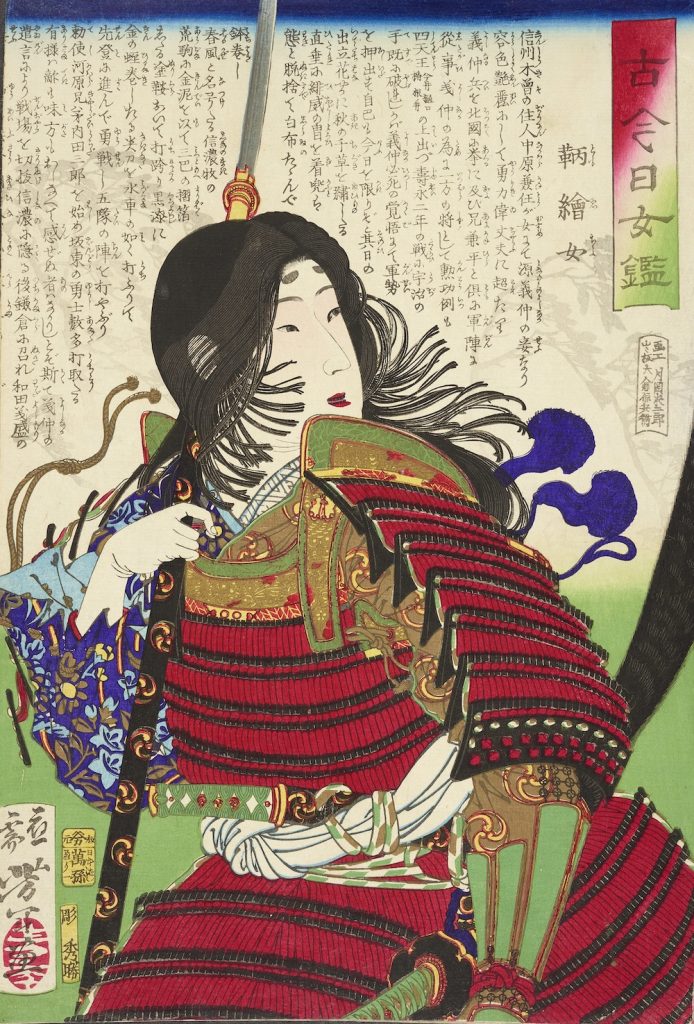
Asia — Wide-ranging holdings across Chinese, Japanese, Korean, South Asian, and Southeast Asian art, from early ceramics to Buddhist sculpture and Japanese prints.
Africa, Oceania, and the Americas — Extensive ethnographic and archaeological collections, including the Benin Bronzes, whose provenance and it’s possible future the museum continues to research and discuss publicly.
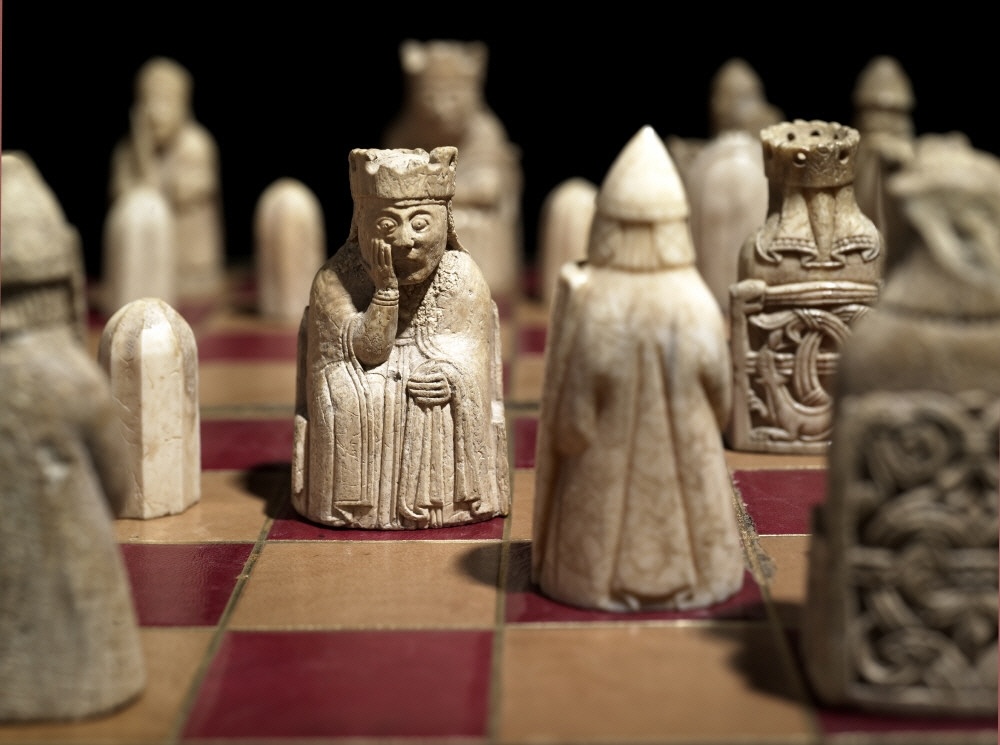
Britain, Europe, and Prehistory — Treasures such as the Sutton Hoo ship burial, the Lewis Chessmen, and artifacts tracing human history in Britain from the earliest prehistory to the modern era.
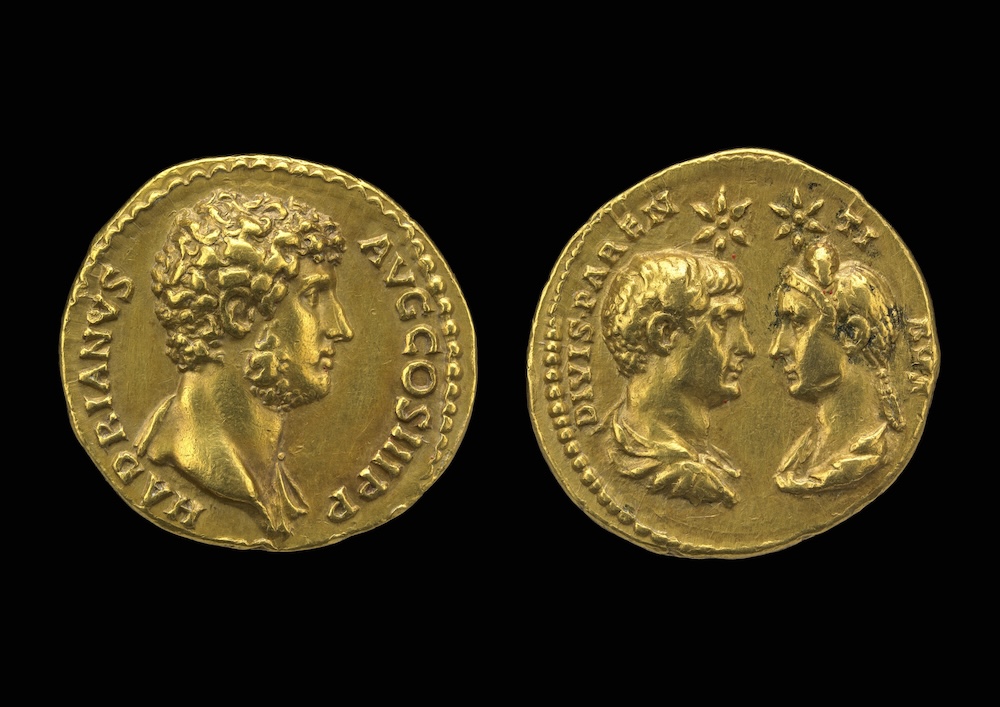
Coins, Medals, Prints, and Drawings – The museum’s holdings of works on paper and numismatic material is regularly preserved, used for research and placed on display on a rotating basis. The collections are so vast that the respective curatorial departments are also the largest.
A Museum for the World
From its founding as an Enlightenment-era experiment in the promotion of universal knowledge, with its open to “all studious and curious persons,” to its present role as a global center for research, conservation, and public engagement, the British Museum has continually reshaped how the world understands its own past. With around six million visitors a year and an active program of loans and touring exhibitions worldwide, it remains one of the most visited museums in UK.
Scala is pleased to serve as the official agent for image licensing of the British Museum in Italy, Spain, Portugal, Germany, Austria, Switzerland, Benelux, Scandinavia, Mexico, Brazil, Russia and Eastern Europe (minus Poland and Russia).