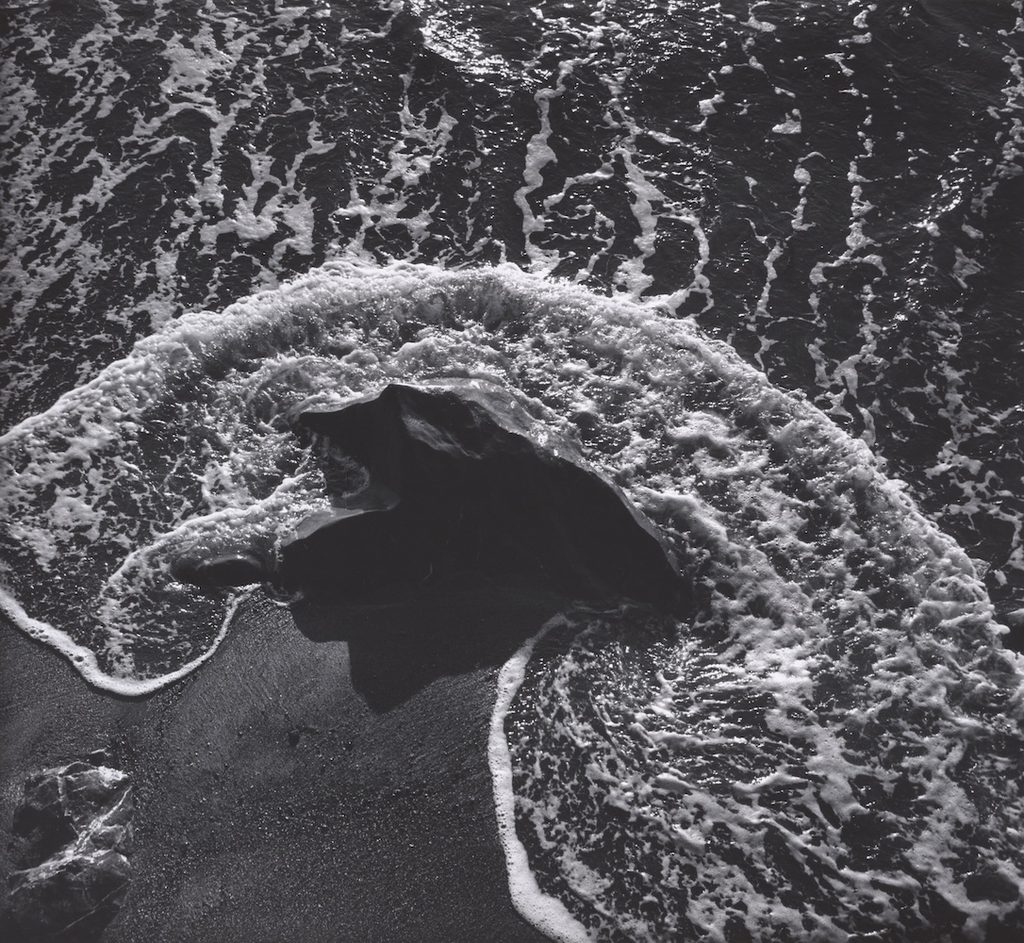
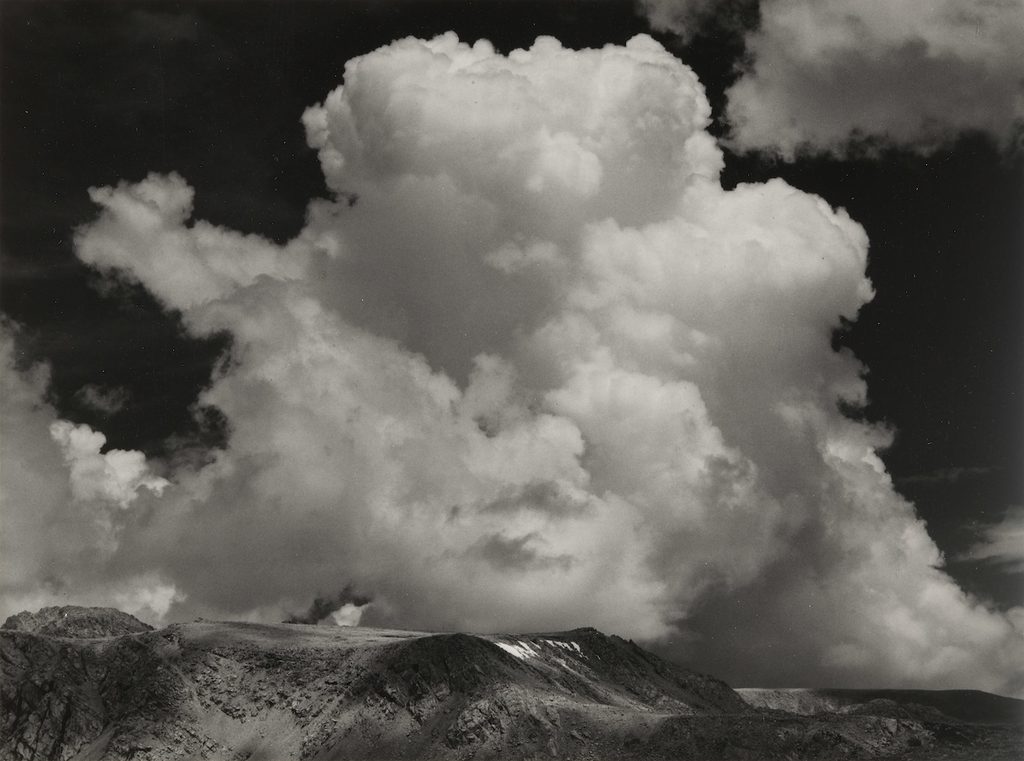
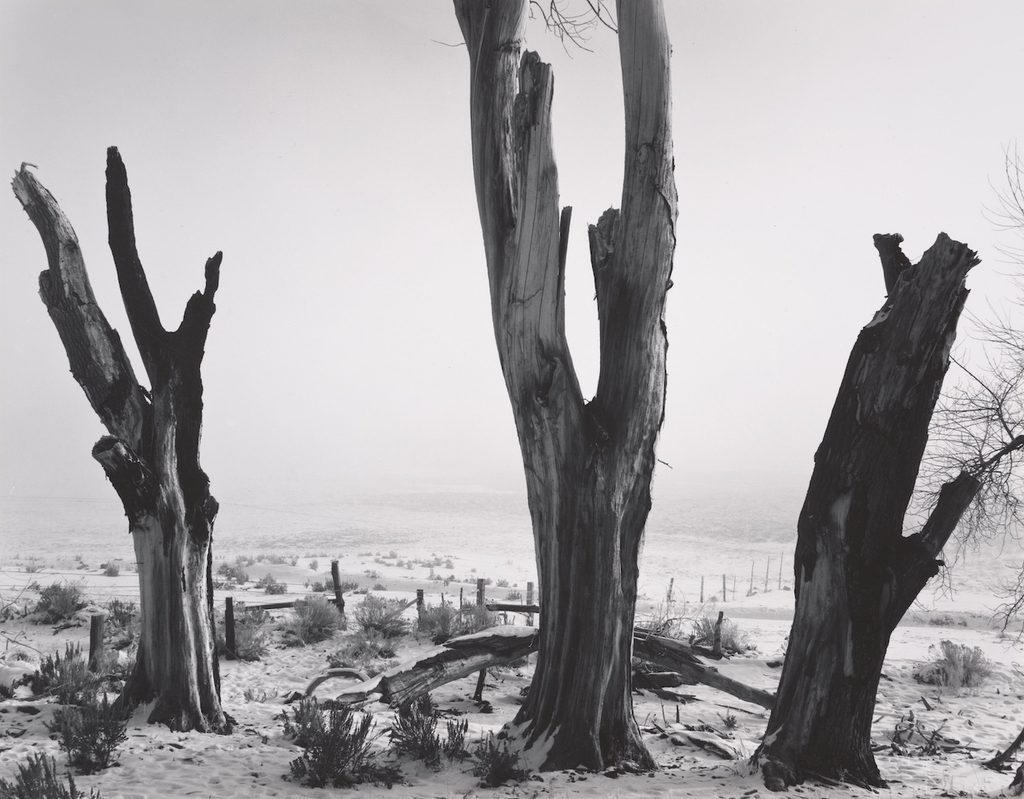
This year marks 125 years since the birth of Ansel Adams – photographer, conservationist, and the man who turned the American wilderness into a subject worthy of fine art. As official agent of the Ansel Adams Publishing Rights Trust, Scala is honored to celebrate this milestone and to assist in making his legacy available to worldwide publishers and creative professionals.
Ansel Easton Adams was born on February 20th 1902, in San Francisco, California, near the Golden Gate. He grew up in a house that looked out toward the bay as an only child in a family unsettled by the financial panic of 1907. A restless and unconventional student, he found his true education outside the classroom: in music, which he studied seriously as a pianist in his youth, and in the outdoors, where long walks and a formative 1916 trip to Yosemite National Park set the course of his life. That first visit to Yosemite, camera in hand, planted a fascination that would last a lifetime. Within a decade, Adams had traded the concert hall for the darkroom, immersing himself in the Sierra Nevada and forging close ties with the Sierra Club, whose publications reproduced some of his earliest photographs and writings.
Adams’s most lasting contribution to photography was both technical and philosophical. Alongside Edward Weston, Imogen Cunningham, and Willard Van Dyke, he co-founded Group f/64, a circle of photographers who rejected the soft-focus, painterly style of Pictorialism in favor of sharp, uncompromising realism. His technical manuals, The Camera, The Negative, and The Print, became foundational texts for generations of photographers, elevating the medium from mere documentation to fine art, proving that a landscape image could carry the same expressive weight as a painting.
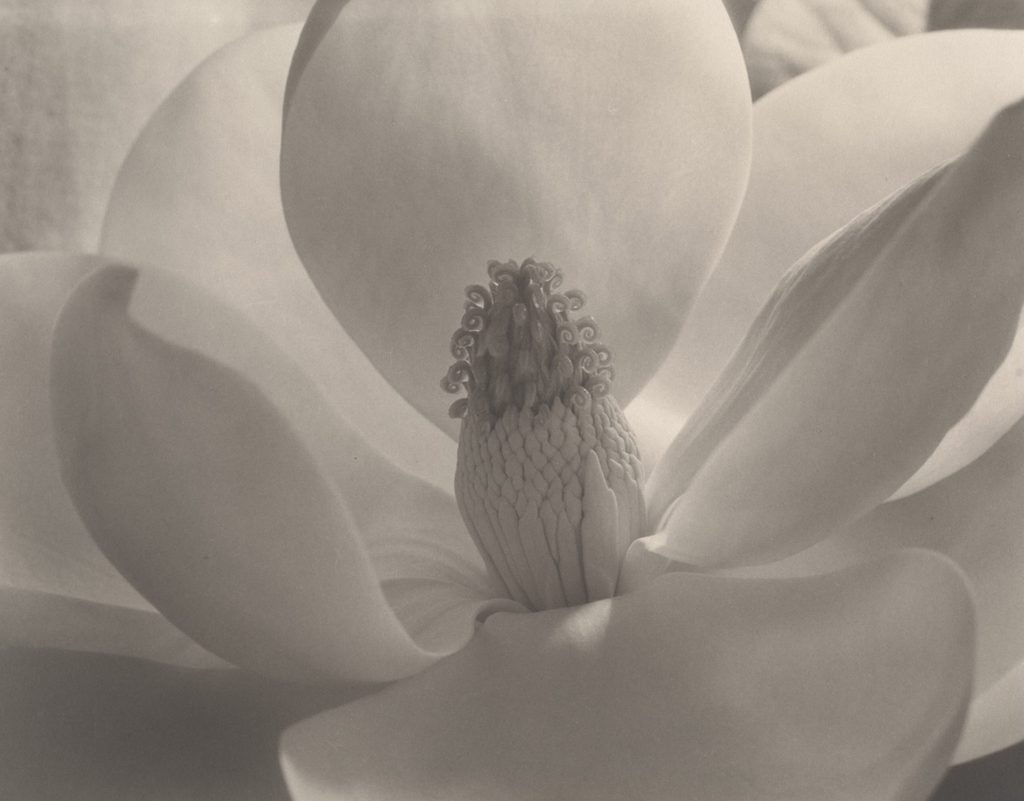
Working mostly with large-format view cameras – often an 8×10-inch model whose single negative was, remarkably, the same size as the finished contact print – Adams developed the Zone System. The system, which he developped with Fred Archer, was a method for mapping a scene’s full range of light onto eleven precise tonal steps, from pure black to pure white. Adam’s own rule of thumb: “expose for the shadows, develop for the highlights,” became one of the most quoted principles in photographic history. Just as distinctive was his concept of “previsualization” before ever releasing the shutter. , Adams would mentally compose the finished print, deciding how a filter or a longer development time would darken a sky or deepen a shadow, so that the negative became a starting point rather than a final record. In the darkroom, he was equally hands-on, developing sophisticated dodging-and-burning techniques – physically holding back or adding light to specific areas of the print – which with his characteristic wit, he described as “steps to take care of mistakes God made in establishing tonal relationships.”
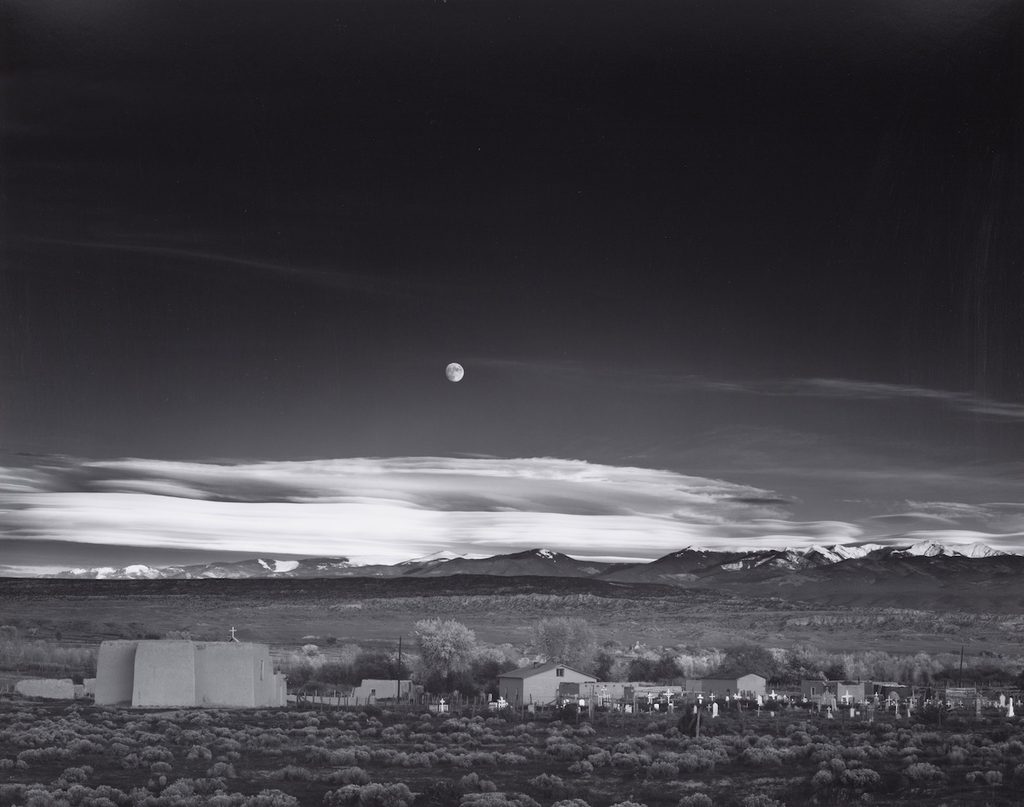
Perhaps no photograph illustrates his method better than Moonrise, Hernandez, New Mexico (1941).
Driving south of Santa Fe at dusk, Adams spotted the scene – a rising moon over a small village cemetery, its crosses catching the last light – and had only moments to set up his camera before the light changed., Family accounts recall him scrambling for an exposure reading as the sun dropped below the horizon. The result, achieved through his mastery of exposure and selective printing, became one of the most reproduced photographs in the history of the medium, and a definitive demonstration of how technical precision, in Adams’s hands, became pure artistic vision.
No name is more closely tied to the American national parks than Ansel Adams. His black-and-white images of Yosemite, the Sierra Nevada, and the canyons of the Southwest – Half Dome, El Capitan, the granite walls of Kings River Canyon – did more than capture scenery; they built a visual argument for preservation. Commissioned by the U.S. Department of the Interior to photograph the parks, Adams used his work to lobby directly for their protection, and his photographs of Kings Canyon are widely credited with helping persuade Congress to designate it a national park in 1940. As a lifelong board member of the Sierra Club, he fused artistic vision with environmental advocacy long before conservation entered the mainstream, and in 1980 President Jimmy Carter awarded him the Presidential Medal of Freedom in recognition of that dual legacy. Today, the Ansel Adams Wilderness in the Sierra Nevada carries his name – a fitting tribute to a photographer who saw the camera as a tool for guardianship, not just observation.
An archive as significant as Ansel Adams’s demands careful, expert stewardship. Behind every publication, exhibition catalogue or documentary, that uses his photographs lies a chain of rights that must be verified, licensed, and cleared correctly – protecting both the integrity of the work and the interests of the Trust that preserves it. As the representative for the Ansel Adams Foundation, Scala handles worldwide requests and works carefully on each part of the process, ensuring that every use of these images meets the highest editorial and legal standards.
As we celebrate 125 years since the birth of Ansel Adams, Scala can help you develop iconic imagery projects with the clarity, quality, and care that this legacy deserves. Contact Scala to explore licensing opportunities and bring Ansel Adams’s vision of the American wilderness to your next project.
***