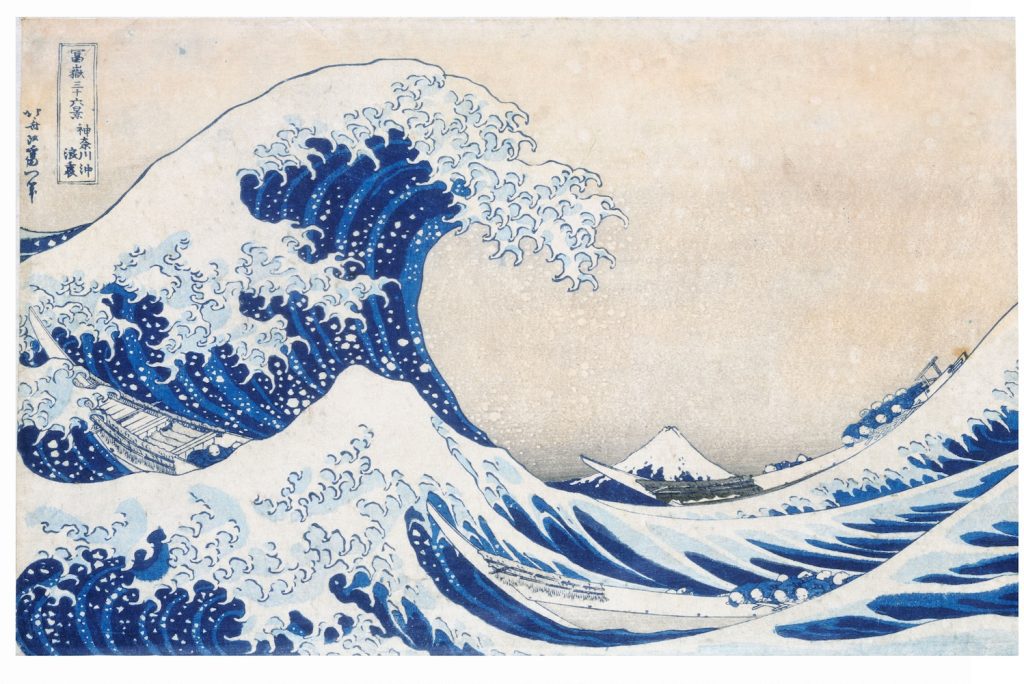
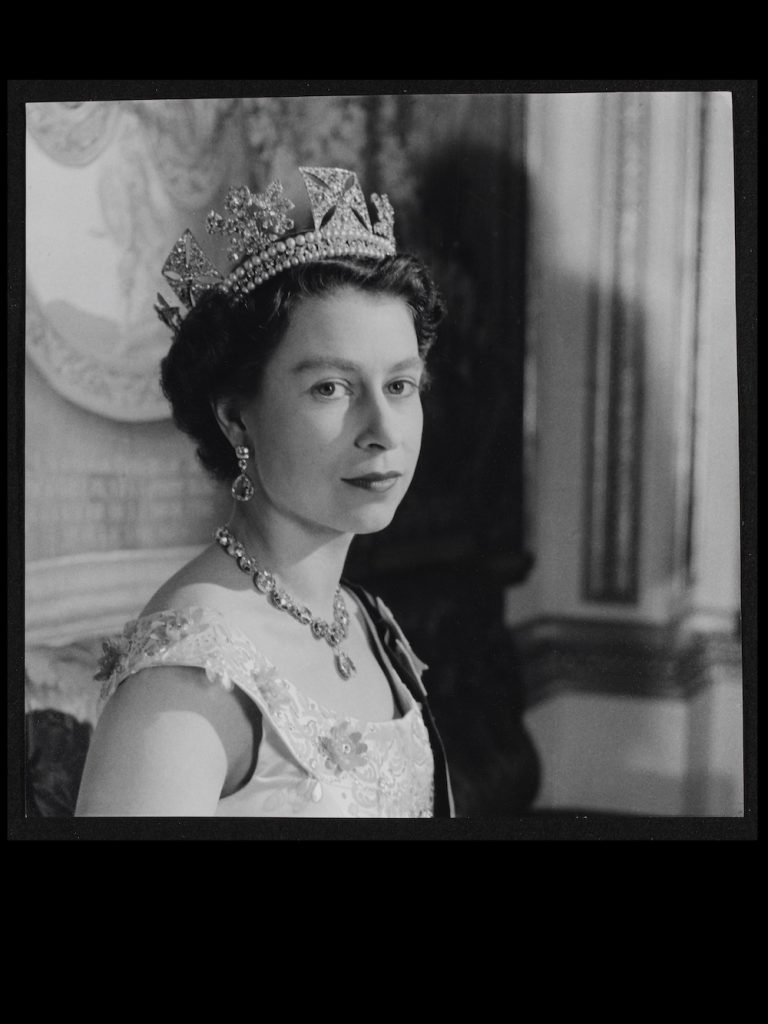
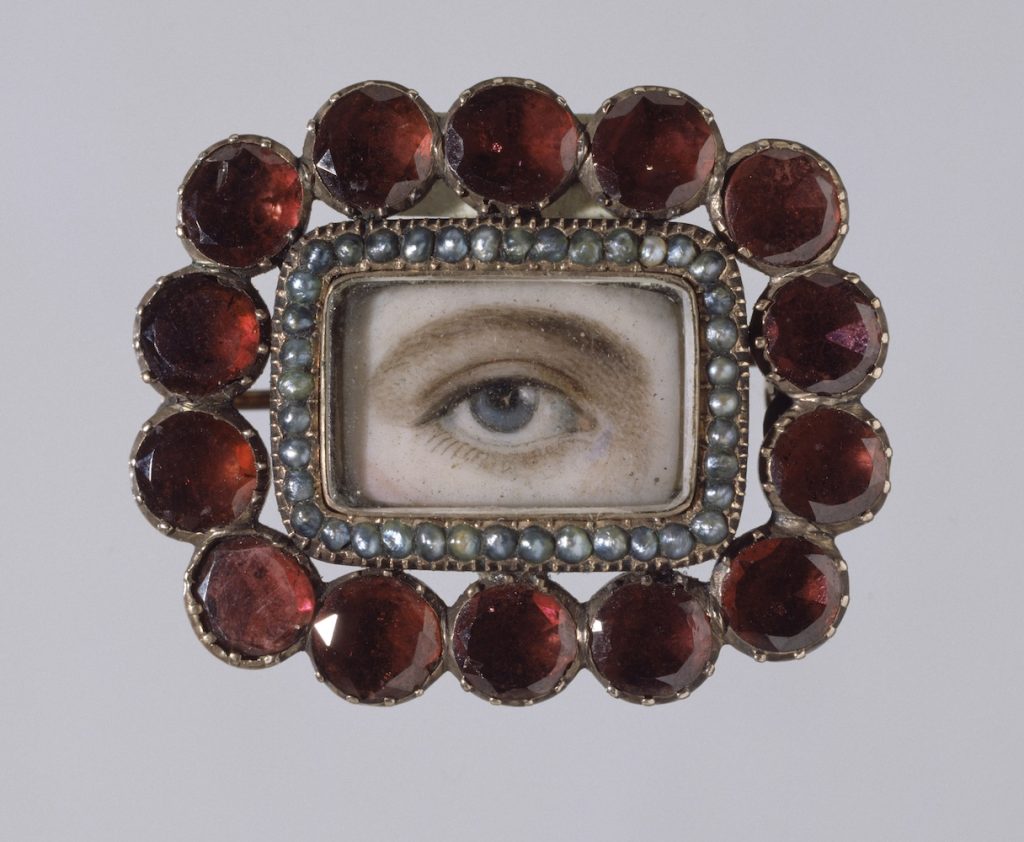
The Victoria and Albert Museum – known simply as the V&A – stands as the world’s largest museum of applied and decorative arts, housing over 4.5 million objects spanning 5,000 years of human creativity. Located in London’s South Kensington, the museum offers free admission to one of the most comprehensive collections of art, design, fashion, and craftsmanship ever assembled.
A Brief History of the V&A
The museum’s origins trace back to 1852, when it opened as the modest “Museum of Manufacturers” at Marlborough House in Pall Mall. The founding collection drew heavily from objects displayed at the Great Exhibition of 1851 in the Crystal Palace—a landmark event that showcased industrial and decorative arts from around the world.
The British government established the museum to improve public taste and educate those involved in British manufacturing. Within a year, it was renamed the Museum of Ornamental Art, and by 1857 it had relocated to its current South Kensington site as the South Kensington Museum.
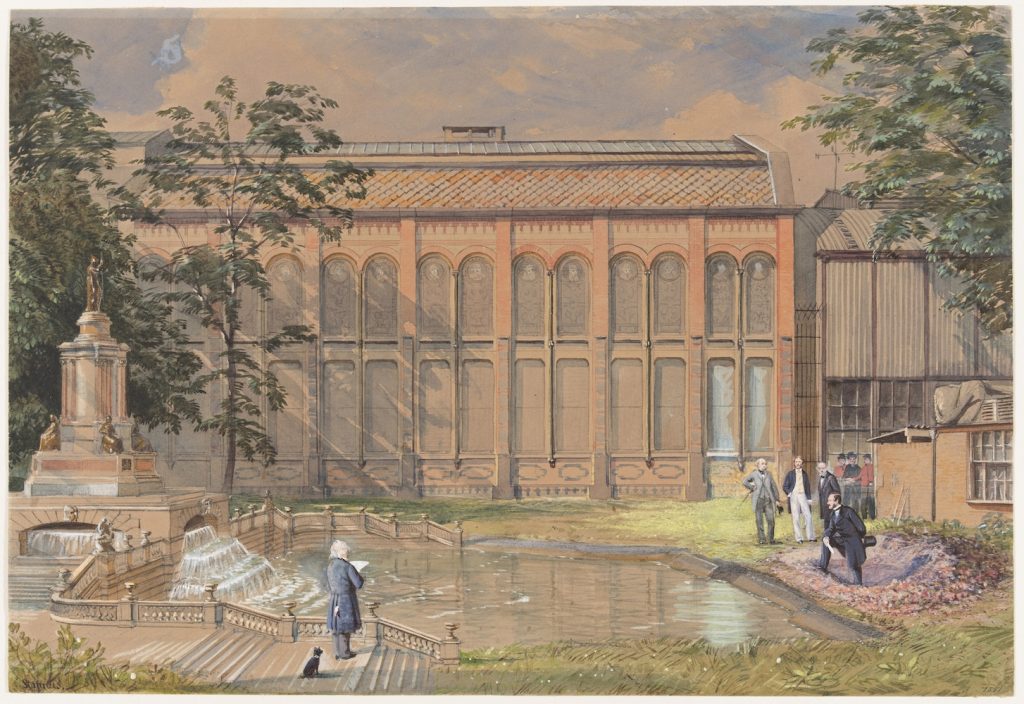
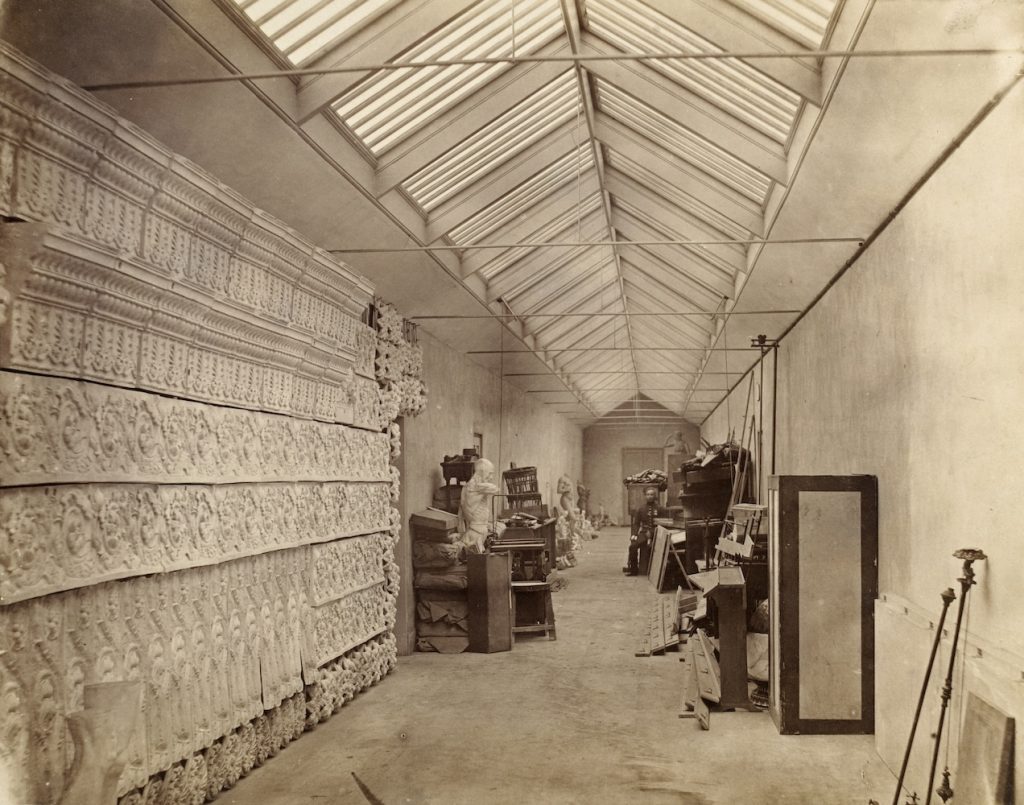
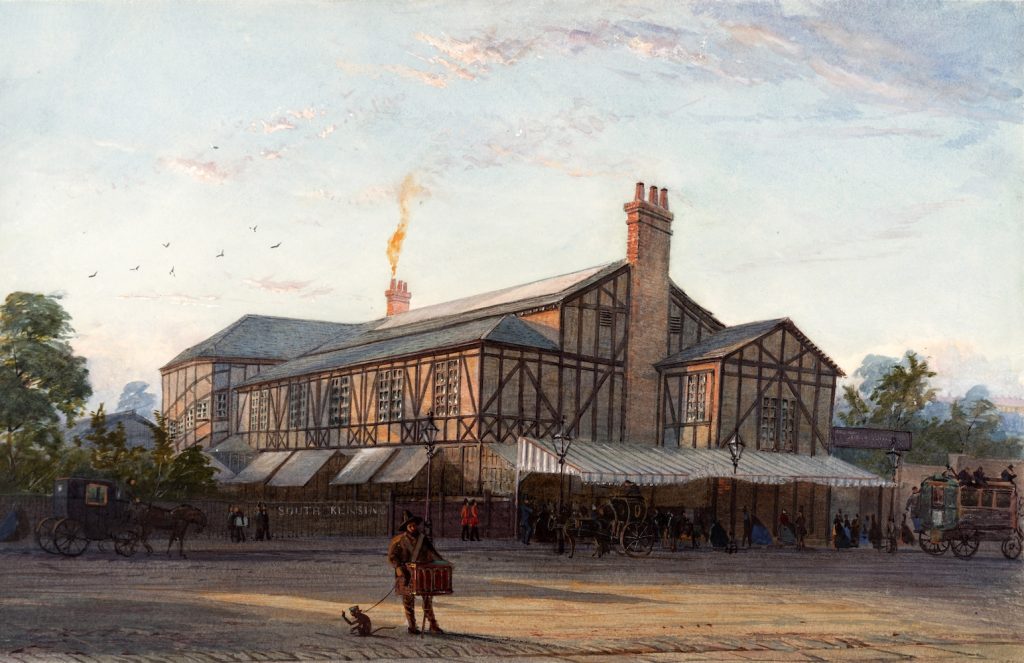
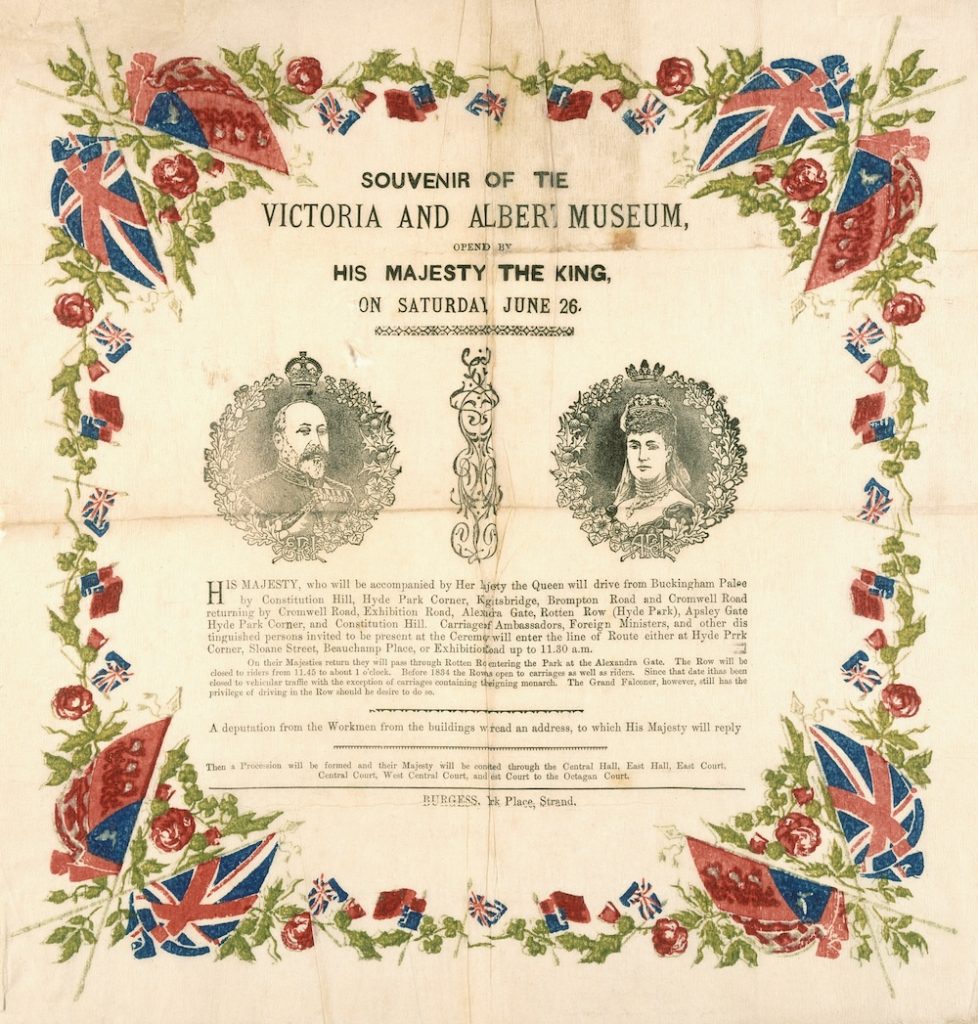
The museum earned its present name in 1899 when Queen Victoria laid the foundation stone for a grand new building designed by Sir Aston Webb. That structure opened in 1909 and remains the museum’s architectural centrepiece today. Interestingly, Queen Victoria had originally hoped to call it simply the “Albert Museum” in honour of her late husband.
The surrounding neighbourhood, known as Albertopolis, was purchased partly from the profits of the Great Exhibition. Today it houses an extraordinary concentration of cultural and educational institutions: the Natural History Museum, the Science Museum, the Royal Albert Hall, Imperial College London, and the Royal Colleges of Art and Music.
Pioneering from the Start
The V&A was remarkably forward-thinking for its era:
First museum restaurant — The South Kensington Museum became the first museum in the world to offer a public refreshment room.
First gas-lit galleries — Evening opening hours were made possible by pioneering the use of gas lighting, with the first Director, Henry Cole, hoping the museum might serve as “a powerful antidote to the gin palace.”
Tiered admission — During the 19th century, the museum charged sixpence on certain days to manage crowds and offered free admission on others. vam.ac.uk
Main Collections
The main South Kensington site covers 12.5 acres with 145 galleries. Its holdings are among the most comprehensive in the world across multiple disciplines.
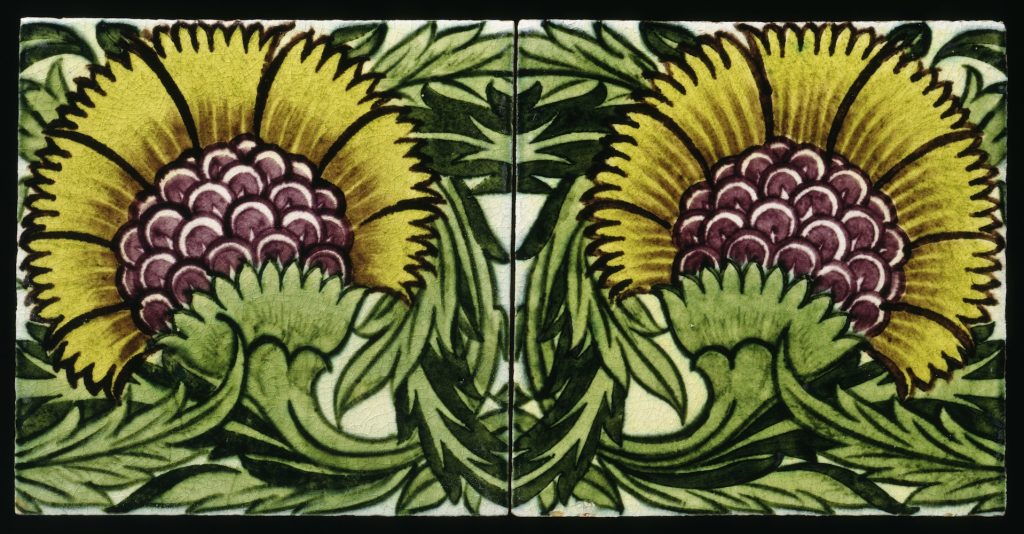
Decorative Arts and Design – The V&A’s founding purpose—championing design and craftsmanship—remains central to its identity.
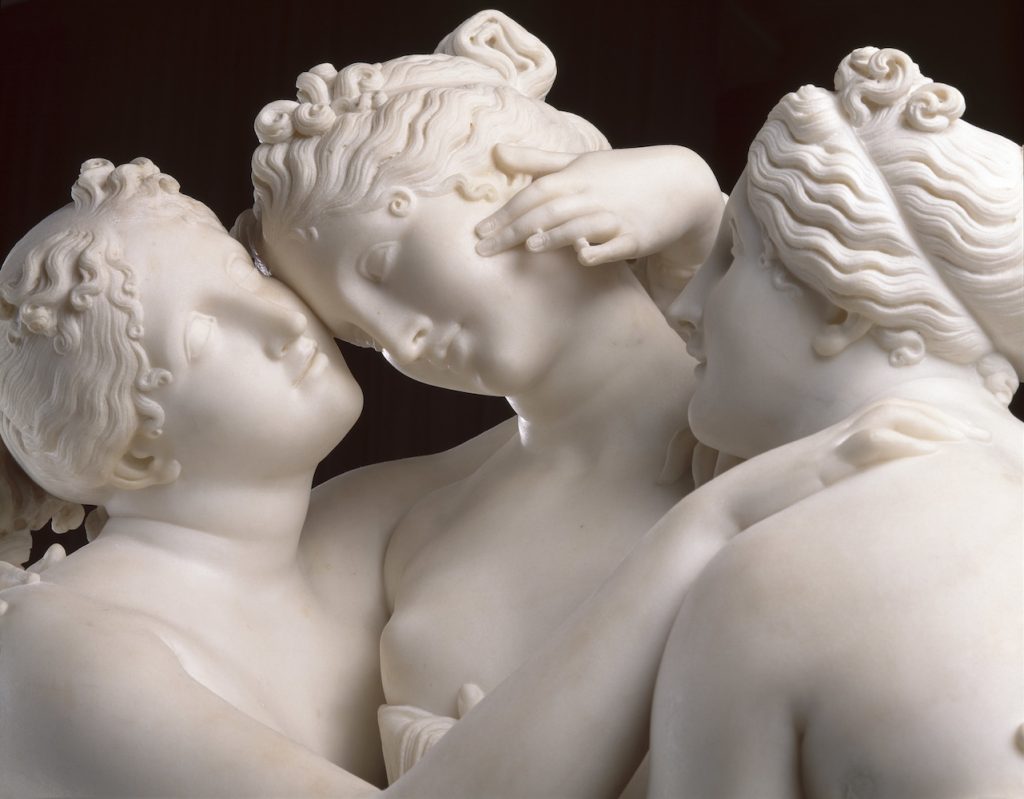
Sculpture – The museum holds one of the largest collections of post-classical sculpture anywhere. Its Italian Renaissance sculpture collection is the most significant outside Italy, featuring casts and original works by masters of the period.
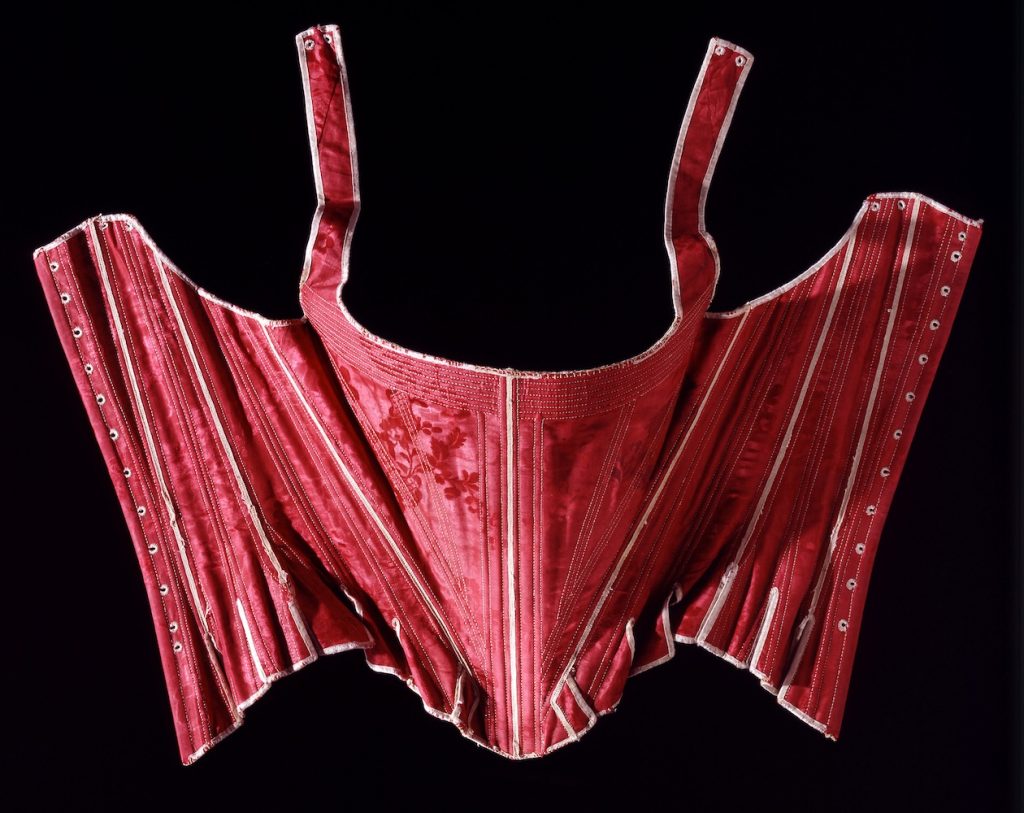
Textiles and Fashion – From medieval tapestries to haute couture, the V&A’s textile and fashion holdings document the history of dress and fabric production worldwide. The collection includes garments by designers such as Vivienne Westwood and Molly Goddard, alongside historical pieces like 17th-century gowns by east London textile designer Anna Maria Garthwaite.
Asian and Islamic Art – The V&A’s South and South-East Asian collections originated from the East India Company’s India Museum, founded in 1801 and transferred to South Kensington in 1879. The East Asian collections are particularly strong in ceramics and metalwork from China, Japan, and Korea. The Islamic art collection ranks among the largest in the Western world.
Prints, Drawings, and Photographs – The museum maintains an extensive archive of works on paper, from Old Master drawings to pioneering photographs, supporting research and rotating exhibitions.
V&A East Storehouse and the “Order an Object” System
The V&A East Storehouse, which opened in London’s East Bank cultural district in May 2025, represents a bold rethinking of how museums share their collections with the public.
Rather than displaying a curated selection behind glass, the Storehouse functions as a hybrid storage facility, research centre, and interactive access point. The standout innovation is the Order an Object system: visitors can search a digital catalogue of more than 500,000 items, select up to five pieces, and book a future appointment to examine them up close with a museum staffer.
V&A East Museum (From April 2026)
The V&A East Museum will open on Saturday 18 April 2026 in Queen Elizabeth Olympic Park, a short walk from the Storehouse. It marks the next chapter in the V&A’s East Bank expansion.
Two free permanent galleries — Called Why We Make, these spaces will display over 500 objects exploring contemporary global culture. Themes include wellbeing, creative communities, social justice, and environmental action, with displays designed to reveal unexpected connections across time and discipline.
Iconic fashion and art pairings — Visitors can see Molly Goddard’s Daria dress (famously worn by Beyoncé) displayed alongside a 16th-century self-portrait copy by Italian painter Sofonisba Anguissola and Maud Sulter’s 1988 photographic portrait of artist Lubaina Himid.
From its origins as a tool for industrial improvement to its current role as a champion of global creativity, the Victoria and Albert Museum has continuously evolved while staying true to its founding vision: making art and design accessible to everyone. With the Storehouse redefining public engagement and the East Museum set to open in 2026, the V&A remains at the forefront of reimagining what a museum can be.
Scala is pleased to serve as the official agent for the V&A in Italy, France, Switzerland, Belgium, Spain, Portugal, and Latin America. Please contact info@scalagroup.com for more information on research and commercial licensing.