On the occasion of the inauguration of the new Grand Egyptian Museum (GEM), Scala is pleased to guide you through a journey dedicated to Egypt’s archaeology as well as curiosities. From the discoveries of the Valley of the Kings, carefully photographed for DeAgostini Editore and now available at New Picture Library, to the new architectural designs by the Irish firm Heneghan Peng Architects, thanks to the Scala archive it is possible to trace a visual narrative that connects past and present.
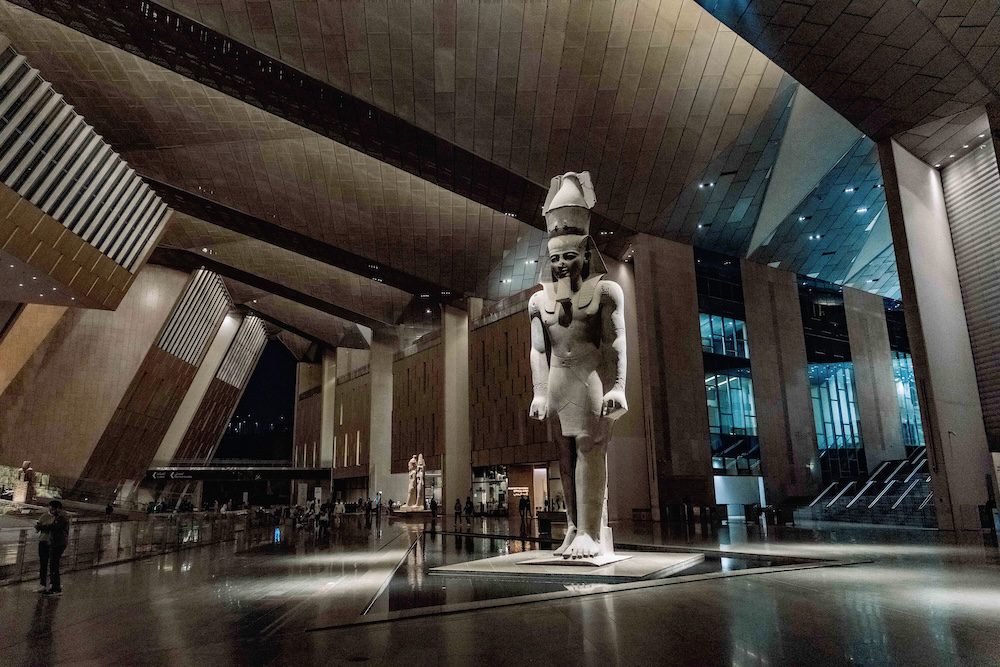
After over twenty years the wait is over. The Grand Egyptian Museum (GEM) finally opened its doors to the public on November 4th 2025, inaugurating a new era for Egyptian archaeology. Located just 2 kilometers from the legendary Pyramids of Giza, this cultural colossus has already been nicknamed “the fourth pyramid” for its monumental size and impact.
With a surface area of approximately 500,000 square meters and over 100,000 artifacts on display, the GEM is not simply a museum: it is an immersive experience that tells 5,000 years of Egyptian civilization’s history through cutting-edge technologies.
The experience begins right at the entrance, where visitors are welcomed by the majestic 11-meter-tall statue of Ramses II, dating back 3,200 years. From here, a monumental six-story staircase leads through approximately 60 extraordinary artifacts toward the 12 main galleries, offering a breathtaking view of the pyramids. The museum’s crown jewel is the Tutankhamun Gallery, a 7,500 square meter space that for the first time brings together the entire collection of over 5,000 objects found in the young pharaoh’s tomb in 1922, including the famous golden funerary mask.
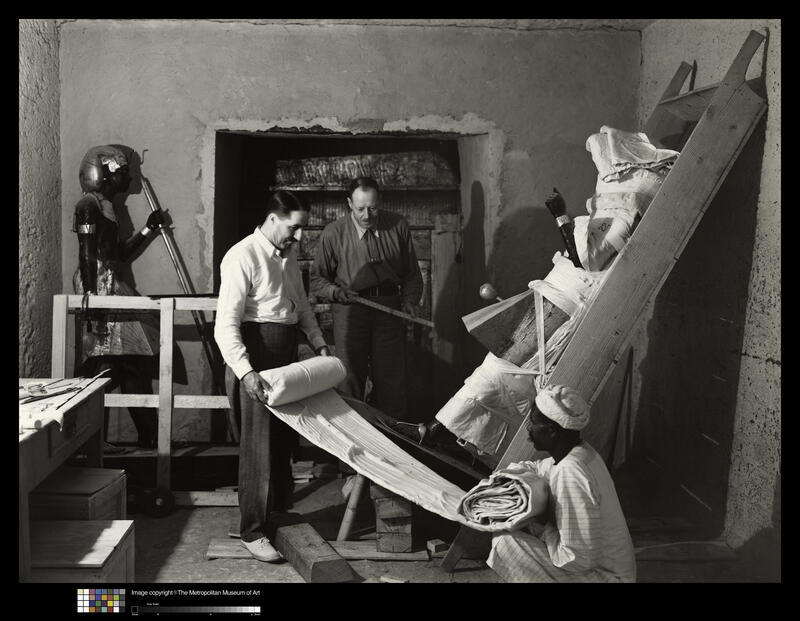
Despite over a century of intensive excavations, archaeologists agree that the Valley of the Kings, on the western bank of the Nile opposite Luxor, still holds undiscovered tombs. To date, 65 royal tombs have been identified, but modern scanning technologies such as ground-penetrating radar suggest the presence of burial chambers still buried beneath the sand. The discovery of Tutankhamun’s intact tomb in 1922 by Howard Carter revolutionized archaeology, but also demonstrated how random finding treasures hidden for millennia can be. Each new discovery in the valley continues to rewrite what we know about the 18th, 19th and 20th dynasties.
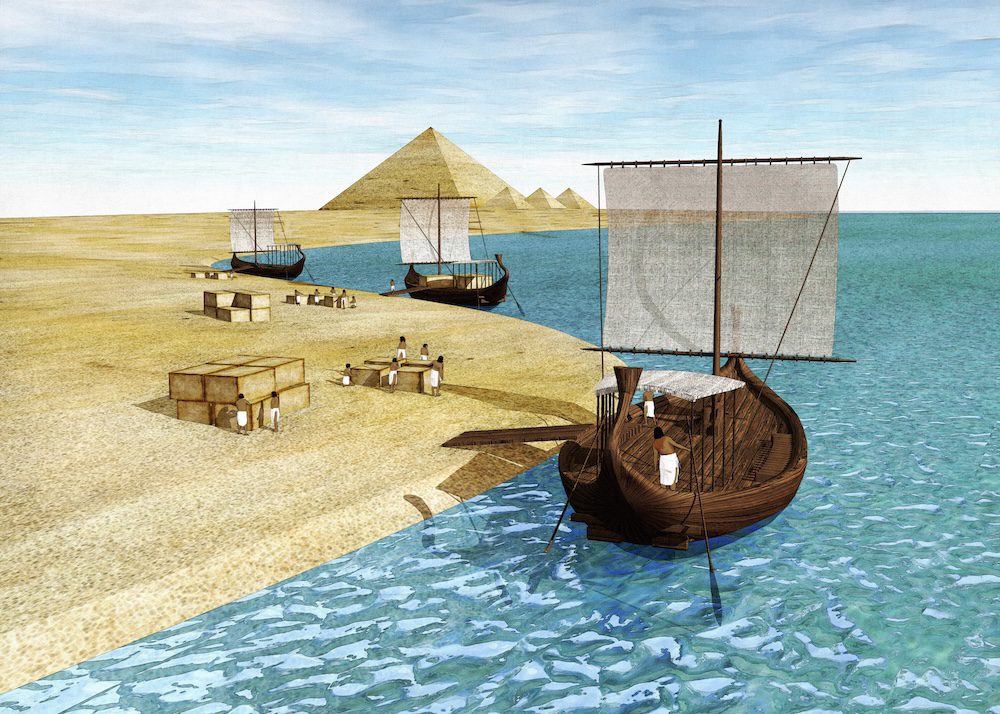
Contrary to the popular myth fueled by films and novels, the pyramids of Giza were not erected by slaves, but by well-paid specialized and seasonal workers. Archaeological excavations at worker settlements near the pyramids have revealed evidence of an organized labor system, with housing, communal kitchens and even medical care for the builders. Workers received generous rations of meat, fish and beer, and graffiti found inside the pyramids show the pride of teams that competed in construction. It is estimated that approximately 20,000-30,000 workers participated in the Great Pyramid of Khufu project, rotating seasonally when the Nile flooded the agricultural fields.
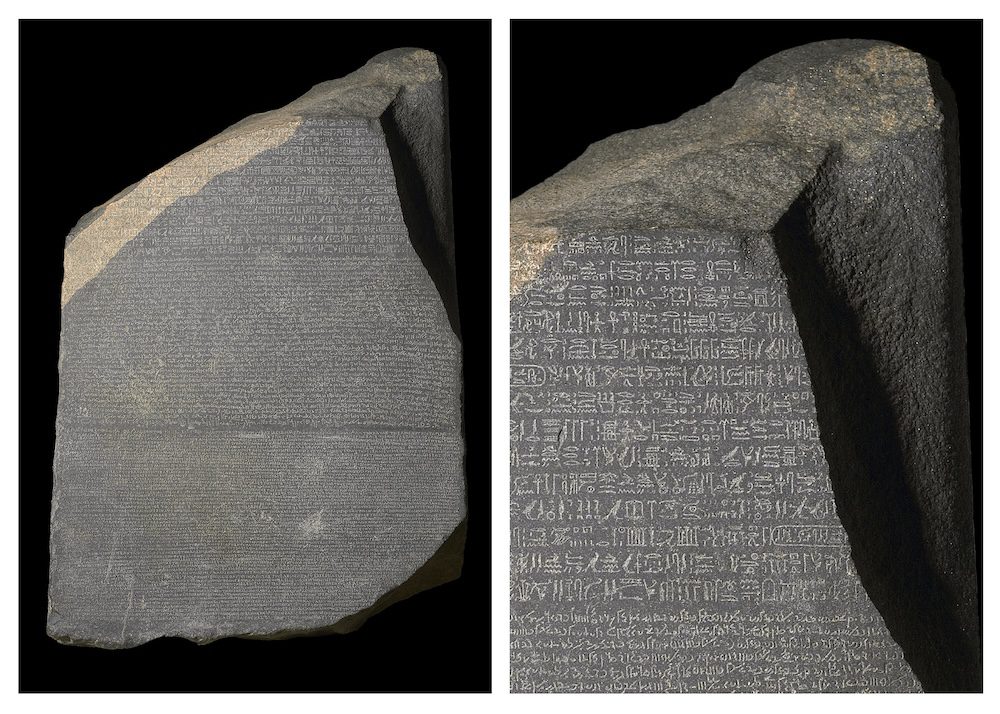
Before the discovery of the Rosetta Stone in 1799 by Napoleonic soldiers, Egyptian hieroglyphics remained an undeciphered mystery. This black granodiorite slab, dating to 196 BC, contains the same text written in three different scripts: hieroglyphics, demotic and ancient Greek. It was precisely the presence of ancient Greek, a known language, that allowed Jean-François Champollion to decipher the hieroglyphics in 1822, suddenly opening the doors to understanding 3,000 years of Egyptian writing. Now preserved at the British Museum, this stone represents one of the most significant archaeological discoveries in history, transforming Egyptology from an antiquarian curiosity to a rigorous historical science.
4. Mummification Was a Complex and Expensive Science
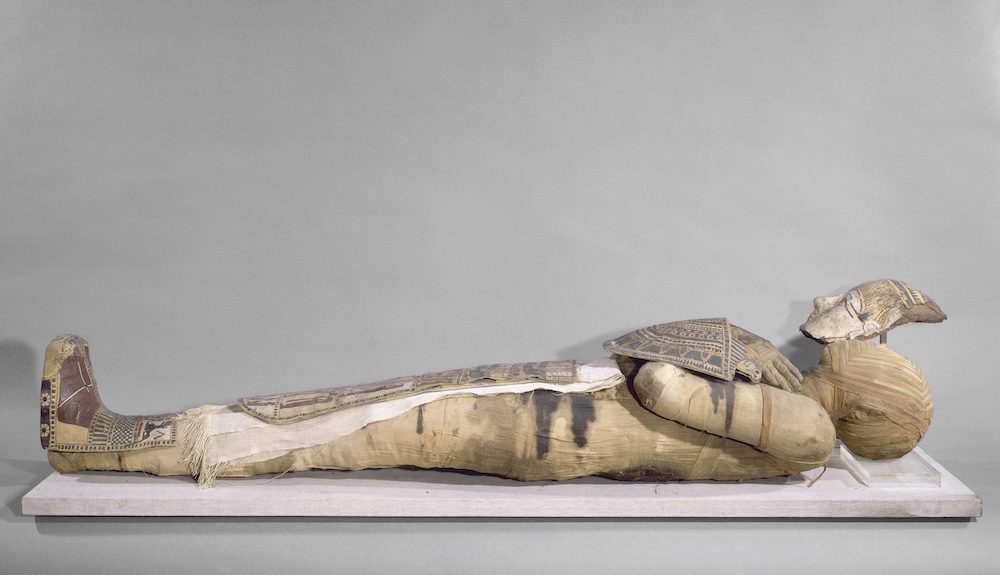
The mummification process in ancient Egypt was much more sophisticated than commonly thought. It required 70 days to be completed and involved advanced knowledge of chemistry, anatomy and preservation. Embalmers removed internal organs (preserved in canopic jars), dried the body with natron (a natural salt), anointed it with resins and oils, and wrapped it in specific linens with protective amulets inserted between the layers. Not everyone could afford this treatment: there were different mummification “packages,” from the most elaborate for pharaohs and nobles, to economical versions for lower classes. Modern studies on mummies using CT scans and DNA have revealed diseases, diets, causes of death and even family ties among the pharaohs.
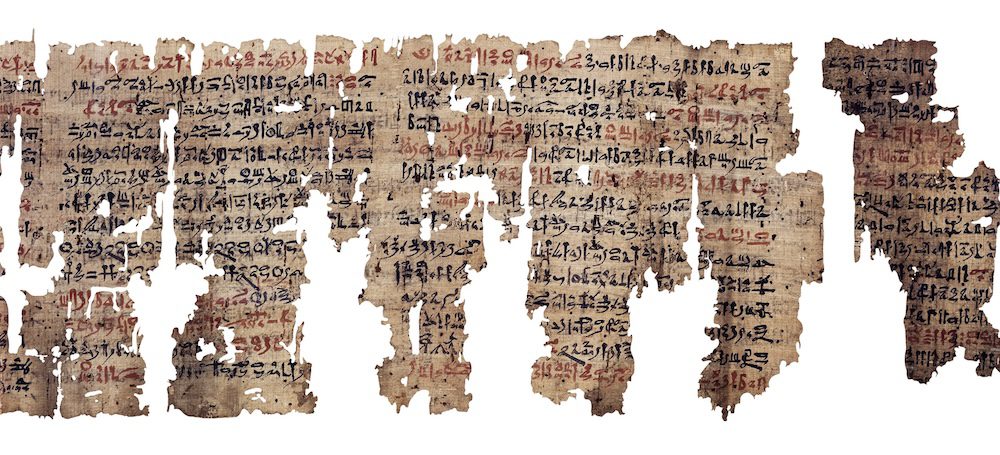
Ancient Egypt boasted a surprisingly advanced medical tradition, documented in papyri such as the Edwin Smith Papyrus (circa 1600 BC), the oldest known surgical treatise. Egyptian doctors knew how to suture wounds, immobilize fractures, perform cranial trepanations and even rudimentary cataract operations. They used over 700 different pharmaceutical remedies, some of which have been confirmed by modern science as effective, such as the use of honey as an antibacterial or willow (containing salicylic acid, a precursor to aspirin) as a painkiller. Medicine was specialized: there were dentists, ophthalmologists, gastroenterologists and proctologists. The approach was pragmatic, combining empirical observations with magical-religious elements, but the results were impressive for the time, so much so that Egyptian doctors were sought after in courts throughout the Mediterranean and ancient Middle East.
Ancient Egypt is an extraordinarily rich and complex subject that continues to fascinate scholars, publishers and creatives worldwide. Scala Archives represents the collections of prestigious international museums such as the British Museum, the Louvre, the Metropolitan Museum of Art and many others, offering access to an incomparable iconographic heritage of Egyptian art and archaeology.
Thanks to this extensive network of collaborations, Scala is the perfect place for in-depth, high-quality iconographic research, resulting in ideal content for enriching and detailing editorial, educational and creative projects dedicated to this fascinating ancient civilization. Lastly, Scala publishing also has ready made numerous texts on various themes and in various languages. Contact us for more information.
***